Italian
Turkey Meatballs in Tomato Sauce
Tender lean turkey meatballs simmered in a rich garlic-tomato sauce: comfort food that's light and high in protein.
~55 mintotal~307 kcalper serving~35g protein~11g carbs~13g fat
Estimated. Worked out from the ingredients using the UK food composition tables, so treat it as a guide rather than a measurement. A typical recipe lands within about a quarter of the true figure. Makes about 4.
Ingredients
- 500g turkey mince
- 1 egg
- ¼ cup wholemeal breadcrumbs
- 1 garlic clove, minced
- 2 tbsp parsley
- 400g chopped tomatoes
- 1 onion, chopped
- 1 tbsp olive oil
- 1 tsp oregano
- Salt & pepper
Cooking Steps
Mix the turkey, egg, breadcrumbs, garlic, parsley and seasoning; roll into balls.
Brown lightly in olive oil, then set aside.
Soften the onion, add the tomatoes and oregano; simmer 10 minutes.
Return the meatballs and simmer 15 minutes until cooked through.
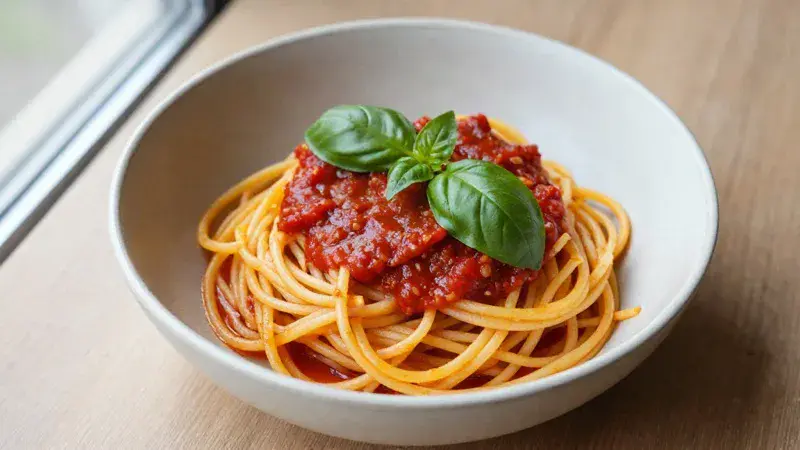
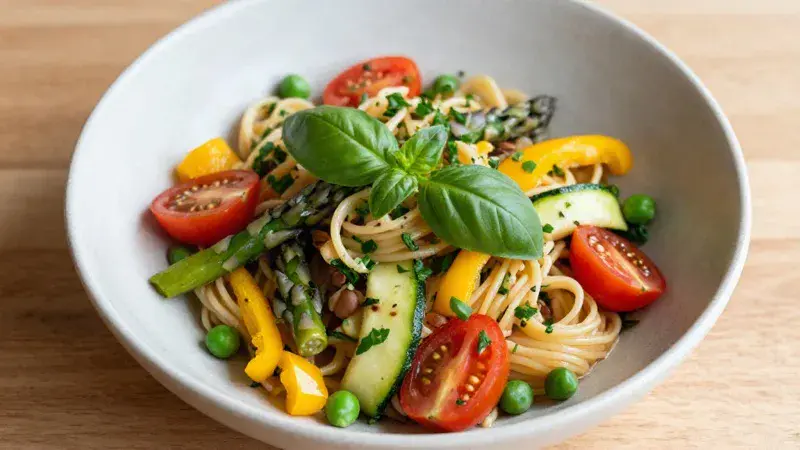
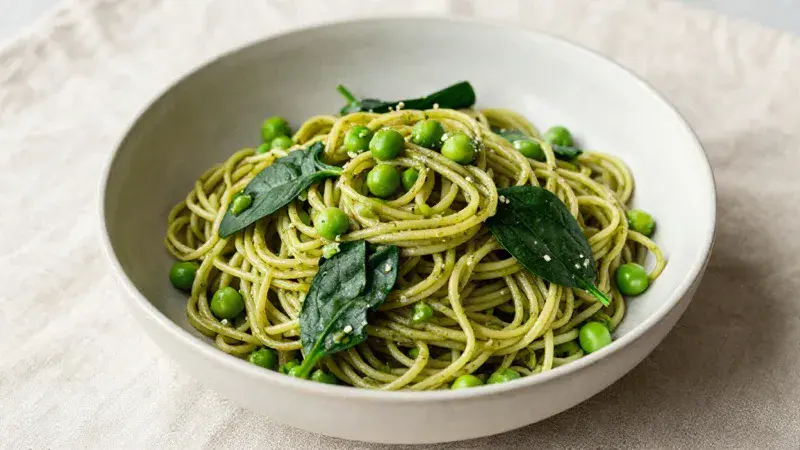
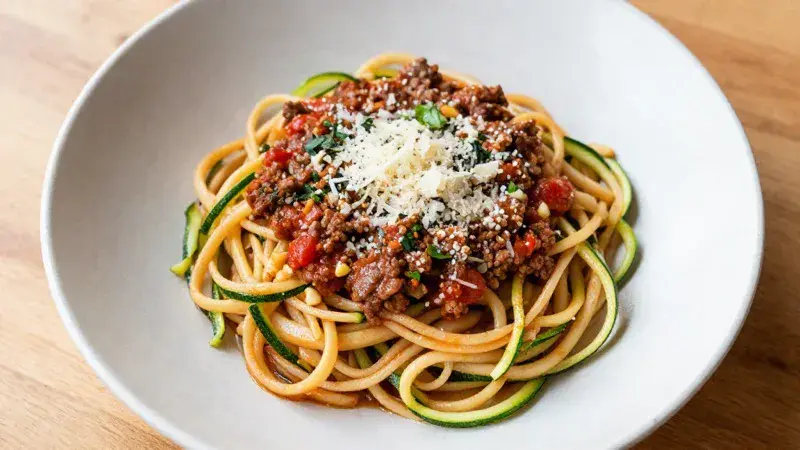
Serve over zoodles, wholegrain pasta or greens.
Optional Enhancements
- Chicken or lean beef mince
- Add grated courgette to the mix
- Stir spinach into the sauce
Plant & Growing Tips
Tomatoes
- In Italy, sow seeds indoors in late winter, transplanting outdoors after the last frost in spring.
- Plant in full sun in rich, well-drained soil and provide sturdy stakes or cages for support.
- Water consistently, especially during fruit set, to prevent blossom end rot and fruit splitting.
Onion
- Plant onion sets or seeds in early spring in a sunny spot with well-drained, fertile soil.
- Ensure consistent moisture during the growing season, but reduce watering as bulbs mature.
- Space plants 4-6 inches apart to allow bulbs to grow to full size.
Garlic
- Plant individual cloves, pointed end up, 2 inches deep and 4-6 inches apart in autumn for a summer harvest.
- Choose a sunny location with rich, well-drained soil and keep the area weed-free.
- Water regularly, especially during dry spells, until the bulbs begin to swell.
Parsley
- Sow seeds in spring or early autumn in a location with partial shade and consistently moist soil.
- Parsley can be slow to germinate; soaking seeds overnight before planting can help.
- It grows well in containers, making it easy to bring indoors during colder months.
Oregano
- Plant oregano in full sun and well-drained soil; it thrives in Mediterranean-like conditions.
- It is drought-tolerant once established and can be grown from seed, cuttings, or small plants.
- Grow in pots to control its spread, as it can be quite vigorous in the garden.
Natural Pest Control
- Hand-pick tomato hornworms from tomato plants and drop them into soapy water.
- Spray aphids off parsley and oregano with a strong jet of water or use neem oil for persistent infestations.
- Use floating row covers over young onion plants to protect them from onion thrips.
- Plant marigolds near tomatoes and garlic as a companion plant to deter various pests.
Harvest
Tomatoes
- Pick tomatoes when they are fully colored, firm, and easily detach from the vine.
- Harvest regularly to encourage more fruit production throughout the season.
Onion
- Harvest when the onion tops turn yellow and fall over naturally.
- Loosen the soil around the bulbs and allow them to cure in a warm, dry, well-ventilated area for several weeks before storing.
Garlic
- Harvest garlic when the bottom third to half of the leaves have turned yellow, but several green leaves remain.
- Gently loosen the soil and pull up the bulbs, then cure them in a dry, shady, well-ventilated spot for a few weeks.
Parsley
- Snip outer stems close to the base as needed, allowing inner leaves to continue growing (cut-and-come-again).
- Harvest before the plant flowers, as the leaves can become bitter afterwards.
Oregano
- Snip sprigs of oregano as needed, preferably in the morning after the dew has dried.
- For drying, harvest just before the plant flowers, when the essential oil content is highest.
Storing & Freezing
Fridge 3 days; freezes 3 months.