Best MyFitnessPal Alternatives in 2026, Free and Paid
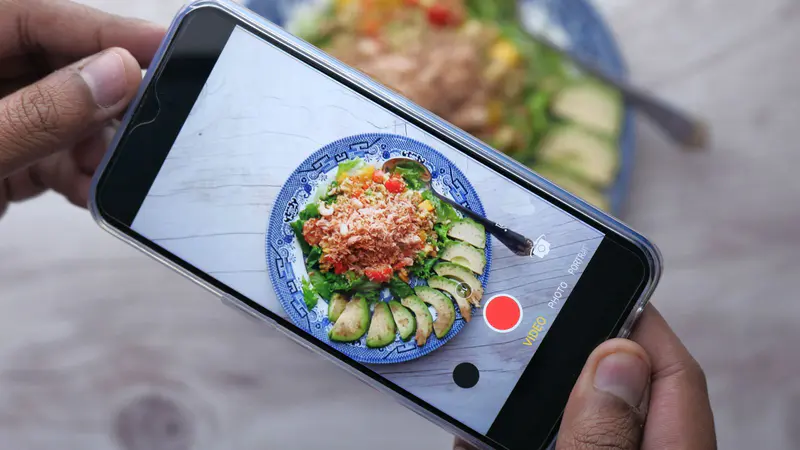
The best MyFitnessPal alternatives in 2026 are Cronometer for micronutrient tracking, MacroFactor for adaptive macro coaching, Lose It for simple calorie counting, Noom for behaviour change, Freeletics for training-led motivation, and Visionary if you want training, nutrition and coaching in one app. If you want a free alternative, Cronometer's free plan includes the barcode scanner that MyFitnessPal moved behind its paywall in 2022. Which app suits you depends on whether you want a better food diary or a plan that covers more than food.
MyFitnessPal has helped millions of people become more aware of what they eat. Its food database is one of the largest available, and for anyone starting out with nutrition tracking, it provides a straightforward way to log meals and understand calorie intake.
But awareness is just the beginning. As more people look for a health solution that goes beyond the food diary, they start asking whether a single-purpose tracking app is enough to support their wider goals. Training, recovery, sleep, stress and sustainable habits all play a role in long-term health that calorie data alone cannot capture.
If you are looking for something that builds on what MyFitnessPal does well and takes it further, here are the best alternatives worth considering in 2026, and what each one brings to the table.
What to Look for in a MyFitnessPal Alternative
MyFitnessPal does calorie tracking well. What many people find, over time, is that they want more from a health app than a food diary. Understanding what that looks like helps you choose the right tool for where you are now.
Here are the features worth considering as you explore your options:
- Nutritional depth. Calorie and macro tracking is a useful foundation, but micronutrients like magnesium, vitamin D and zinc directly influence energy, sleep and recovery. An app that surfaces this data gives you a more complete picture.
- Training integration. Nutrition and exercise are closely connected. An app that tracks both means your food data and your training data can actually inform each other.
- Personalisation. Generic targets based on age and weight are a starting point. A platform that adapts to your lifestyle, goals and dietary preferences is more likely to produce results you can sustain.
- Guidance and education. Data on its own is only useful if you know what to do with it. Coaching, feedback and health education help you understand the numbers rather than just record them.
Understanding what you actually need from a health app makes it much easier to choose the right alternative.
MyFitnessPal Alternatives Compared
Prices are from the US App Store and official sites, read in November 2026. They change often and vary by country, so check before you subscribe.
| App | Best for | Free option | Paid plan | Training plans |
|---|---|---|---|---|
| MyFitnessPal | A large food database | Free tier (no barcode scanner) | Premium $19.99/month or $79.99/year | No |
| Cronometer | Micronutrient detail | Free tier, barcode scanner included | Gold $10.99/month or $59.99/year | No |
| MacroFactor | Adaptive macro targets | 7-day trial, no free tier | $11.99/month or $71.99/year | Separate Workouts app |
| Lose It | Simple calorie counting | Free tier | Premium subscription | No |
| Noom | Behaviour change | No free tier | Multi-month programmes | No |
| Freeletics | Bodyweight training | Limited free workouts | Coach subscription | Yes |
| Visionary | Training, nutrition and learning in one plan | 7-day trial | From $14.99/month; Premium $29.99/month | Yes |
The Best MyFitnessPal Alternatives in 2026
Cronometer: Best for Micronutrient Tracking (and the Best Free Alternative)
If nutritional depth is your priority, Cronometer is one of the strongest options available. It pulls from verified databases including the USDA and NCCDB, and its free Basic plan tracks up to 95 nutrients. For anyone focused on energy, hormonal health or recovery, this level of detail is genuinely useful.
It is also the strongest free option. Cronometer's free plan includes barcode scanning, custom macro targets and a database of more than a million verified foods, so if you are leaving MyFitnessPal because of the paywall, start here. Gold adds features such as a fasting timer and longer reports for $10.99 a month or $59.99 a year.
Cronometer is primarily a tracking tool. It does not include personalised training programmes, coaching support or habit-building features, so it works best for people who already know what to do with detailed nutritional data.
MacroFactor: Best for Adaptive Macro Coaching
MacroFactor is the app many serious lifters move to after MyFitnessPal. Instead of fixed targets, it estimates your energy expenditure from what you log and how your weight trends, then adjusts your calorie and macro targets each week. It is also deliberately non-judgemental: no red numbers or warnings when you go over.
There is no free tier, only a 7-day trial, and the subscription costs $11.99 a month or $71.99 a year. Training sits in a separate MacroFactor Workouts app, sold as a bundle, so food and training still live in two places.
Lose It: Best for Straightforward Calorie Tracking
Lose It offers a clean interface with a barcode scanner, meal planning tools and basic goal-setting features. It is well suited to anyone who wants a simple, focused food tracking experience without a lot of additional complexity.
Like most dedicated trackers, its scope is primarily nutritional. Training, recovery and lifestyle factors are not part of the core experience, which means it works well as a food diary but less so as a complete wellness tool.
Noom: Best for Behaviour Change
Noom takes a different approach by combining food logging with psychology-based coaching. The idea is that sustainable change comes from understanding your relationship with food, not just monitoring what you eat. Noom groups foods by colour (green, yellow, red) rather than strict calorie counts, and provides daily lessons on behaviour and mindset.
It has helped many people develop a healthier relationship with eating. However, it can feel prescriptive, the coaching quality varies, and there is no free tier: Noom sells multi-month programmes, and it is one of the more expensive options on this list. It also does not include structured fitness programming, so training and nutrition remain disconnected. If weight loss is your main goal, our Visionary vs Noom comparison looks at both approaches in detail.
Freeletics: Best for Training-Led Motivation
Freeletics is built around bodyweight training with AI-generated workout plans that adapt to your progress. If your primary goal is fitness rather than nutrition, it delivers a structured, progressive experience. The app is particularly well suited to people who want to build a training habit without gym equipment.
Nutrition support is limited and surface-level, though. Freeletics is a training app that touches on nutrition rather than a platform that genuinely integrates both. We go deeper on this in our full Visionary vs Freeletics comparison.
What Most Alternatives Still Get Wrong
Looking at the options above, a pattern emerges. Each app does one thing well, and for many people that is exactly what they need. But health rarely works in isolation.
Nutrition affects your training performance. Your training affects your sleep. Your sleep affects your stress levels, your appetite and your ability to make consistent choices. Isolating any one of these variables and optimising it in a silo rarely produces the results people are looking for.
The real gap in most wellness apps is not features. It is integration. When your food tracking, training programme and health education all live in different places, the connections between them are invisible. We unpack exactly why that matters in our guide to why separate apps often fail long term.
This is why so many people cycle through apps, making progress for a few weeks and then losing momentum. The tool was never the problem. The missing piece was a system that could hold everything together.
The Case for an Integrated Approach: Where Visionary Fits
The reason people end up with three apps is that most products are built to own one slice of your health and ignore the rest. Visionary takes the opposite approach, bringing personalised nutrition guidance, progressive training programmes, health education and AI-powered support into a single connected platform, so the pieces actually inform each other instead of sitting in separate silos.
Nutrition That Fits Real Life
Visionary's nutrition approach is built on flexibility rather than restriction. Meal plans are designed around your dietary preferences, whether you eat omnivore, vegetarian, vegan, keto or gluten-free, and they fit your lifestyle rather than demanding you fit around them.
The food tracking experience is also meaningfully different. Instead of manually searching a crowd-sourced database, you can photograph your meal and the platform identifies it instantly, returning calories, macros and a health grade cross-referenced against USDA data for accuracy. Eating out or going off-plan does not derail your progress. It simply gets logged.
Training That Progresses With You
On the training side, Visionary offers structured programmes across strength, conditioning and mobility. These are not generic workout templates. They are progressive programmes designed to meet you at your current level and develop from there, with all elements woven into a single plan rather than three separate apps stitched together.
This matters because training and nutrition are not independent variables. What you eat influences how you perform and recover. Having both in one place gives you a clearer picture of what is actually working.
Sustainable Habits Over Short-Term Fixes
Perhaps the most important distinction is the underlying philosophy. Visionary is not designed to help you lose weight by February. It is designed to help you build the understanding and habits that support your health for the long term. If you want a concrete place to start, our 30-day habit reset lays out a practical framework.
Generic advice rarely works because it is not built around your life. A personalised approach considers your schedule, your goals, your food preferences and your starting point. That is what separates a plan you can sustain from one you abandon after three weeks.
How to Choose the Right App for You
The best app is the one that matches what you actually need right now. Here is a simple way to think about it:
- If you want deeper nutritional data with verified accuracy, Cronometer is worth exploring.
- If you want the best free MyFitnessPal alternative, Cronometer's free plan, barcode scanner included, is the one to try first.
- If you want targets that adjust to your actual metabolism, MacroFactor is built for that.
- If you want a free calorie tracker without the paywalled frustrations, Lose It is a reasonable choice.
- If your relationship with food needs work before anything else, Noom's behavioural approach may help.
- If you want structured bodyweight training as your entry point, Freeletics provides a solid foundation.
- If you want nutrition, training and sustainable habit-building to work together in one place, Visionary is built for exactly that.
No single-purpose tracker can replace a system that understands how these elements interact. If you have spent time logging meals without seeing the results you expected, the answer is rarely to log more carefully. It is usually to look at the wider picture.
Related reading: Visionary vs MyFitnessPal and the MyFitnessPal alternative, side by side.
FAQ
Is MyFitnessPal still free to use?
Yes, MyFitnessPal still has a free tier for basic calorie and macro logging, but barcode scanning has been Premium-only since October 2022. On the US App Store, Premium costs $19.99 a month or $79.99 a year and also unlocks custom macro targets and more detailed nutritional data.
Is there a free alternative to MyFitnessPal?
Cronometer is the best free alternative to MyFitnessPal. Its free Basic plan includes barcode scanning, custom macro and micronutrient targets, and a database of more than a million verified foods. Lose It also has a free version for simple calorie counting. MacroFactor and Noom have no free tier.
What apps are like MyFitnessPal?
The apps most like MyFitnessPal are Cronometer, Lose It and MacroFactor, which are all food diaries with calorie and macro tracking. Noom adds behaviour-change coaching to food logging, and Visionary adds personalised training plans and meal plans.
What is the most accurate food tracking app?
Cronometer is widely regarded as the most accurate option because it uses verified nutritional databases rather than crowd-sourced entries. Visionary's photo food scanner also cross-references USDA data to improve accuracy, making it a reliable choice for people who want precision without manual data entry.
Can I track both nutrition and training in one app?
Most apps specialise in one or the other. Visionary is one of the few platforms that genuinely integrates personalised nutrition and progressive training programmes in a single experience, so your food and fitness data inform each other rather than sitting in separate silos.
Is calorie counting the best way to lose weight?
Calorie awareness can be a useful tool, but calorie counting alone rarely produces lasting results. Research from Harvard Health consistently shows that food quality, sleep, stress management and sustainable habits play equally important roles in weight management. An approach that addresses all of these factors tends to be more effective over the long term.
What makes Visionary different from other wellness apps?
Most wellness apps are single-purpose: a tracker, a workout library, or a coaching programme. Visionary's difference is that nutrition, training, education and AI support are connected in one platform, so each part works with the others. The goal is not more numbers to log, but the understanding and habits that make long-term wellbeing sustainable.
This article is intended for educational purposes. If you have specific health concerns, please speak with a qualified healthcare professional.
Ready to see the difference for yourself? Read the full Visionary vs MyFitnessPal comparison, or start your 7-day free trial.
Related articles
 Meal PlanningNutritionVisionary Platform
Best Meal Planning Apps in 2026: 5 Apps Compared
Paprika, Plan to Eat, Samsung Food, Eat This Much or Visionary? The best meal planning app for your goal, with shopping lists and verified prices.
9 Nov 2026 · Sophie Sparkes NutritionFitnessLongevity
How Much Protein Do You Need a Day? By Weight, Age and Goal
The UK guideline is 0.75g of protein per kg of body weight, but active people and over-65s often need more. A simple table by weight, age and goal.
25 Oct 2026 · Sophie Sparkes NutritionHolistic HealthMeal Planning
Anti-Inflammatory Diet: What It Is, What the Evidence Says, and How to Eat This Way
What is an anti-inflammatory diet? What the research really shows, which foods to build your meals around, and a simple 3-day plan to get started.
17 Oct 2026 · Ashton de Pontes