Anti-Inflammatory Diet: What It Is, What the Evidence Says, and How to Eat This Way
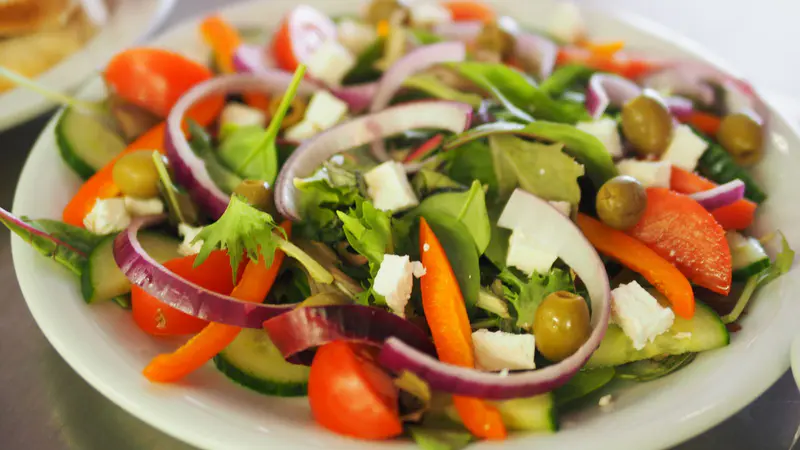
An anti-inflammatory diet is a way of eating built around vegetables, fruit, wholegrains, beans and lentils, nuts, olive oil and oily fish, with fewer ultra-processed foods, refined carbohydrates and processed meats. It is not a branded plan with strict rules. In practice it looks almost identical to a Mediterranean diet, and that pattern has the strongest evidence for modestly lowering some markers of inflammation and for supporting long-term heart health.
The key insight: no single food, powder or shot switches inflammation off. What the research supports is an overall pattern of eating, kept up for months and years, alongside regular movement, good sleep and a healthy body weight.
This article explains what inflammation actually is, what the studies show, what an anti-inflammatory diet cannot do, and how to start eating this way with a simple 3-day outline.
What Is Inflammation?
Inflammation is part of your immune system. Most of the time it helps you, but there are two quite different kinds.
Acute Inflammation
When you cut your finger or catch a cold, your immune system sends cells and signalling molecules to the area, causing redness, swelling or a sore throat. This short, strong response clears the problem and then settles. It is protective and necessary.
Chronic Low-Grade Inflammation
A 2019 perspective in Nature Medicine by Furman and colleagues describes a different state, systemic chronic inflammation: low-grade, persistent and non-resolving, and linked over time to conditions including heart disease, type 2 diabetes and some cancers.
The paper names everyday drivers: diets high in refined grains and ultra-processed foods, physical inactivity, excess fat around the organs, disturbed sleep, chronic stress and smoking. Diet is one lever among several. The authors also note there are no standard biomarkers for it yet. Researchers often measure C-reactive protein (CRP) or interleukin-6 (IL-6), but these are imperfect signals.
What Does an Anti-Inflammatory Diet Look Like?
Most of what is sold as "anti-inflammatory eating" overlaps heavily with two familiar patterns: the Mediterranean diet and the UK's own NHS Eatwell Guide. The Eatwell Guide recommends at least five portions of fruit and vegetables a day, wholegrain starchy foods, more beans and pulses, at least two portions of fish a week with one of them oily, unsaturated oils, and less red and processed meat.
Foods to Build Around vs Foods to Limit
| Build your meals around | Eat less often |
|---|---|
| Vegetables and leafy greens, of every colour | Processed meats such as bacon, ham and salami |
| Fruit, including frozen berries | Sugary drinks and sweets |
| Wholegrains: oats, brown rice, wholewheat pasta, rye | White bread, pastries and refined snacks |
| Beans, lentils and chickpeas | Ultra-processed ready meals and takeaways |
| Oily fish: salmon, sardines, mackerel | Fried foods and very salty foods |
| Nuts and seeds | Large amounts of red meat |
| Extra virgin olive oil and rapeseed oil | Alcohol, especially regular heavy drinking |
| Herbs and spices, used generously in cooking | Foods high in trans fats |
Nothing in the right-hand column is banned. The aim is to shift the balance of your week, not to create a list of forbidden foods.
What the Evidence Shows
The Mediterranean Diet and Inflammatory Markers
A 2021 systematic review and meta-analysis in Advances in Nutrition by Koelman and colleagues pooled randomised controlled trials that tested different dietary patterns. Of the patterns studied, the Mediterranean diet showed the most prominent effects. It produced a statistically significant reduction in IL-6. Its effect on CRP pointed the same way but was not statistically significant.
The authors were open about the limits: results varied a lot between studies, participants were mostly older adults, and weight loss may have played a part. The honest summary is that a Mediterranean-style pattern may modestly lower some inflammatory markers.
PREDIMED and Heart Health
PREDIMED enrolled 7,447 people in Spain at high cardiovascular risk and compared a Mediterranean diet with extra virgin olive oil, a Mediterranean diet with mixed nuts, and a reduced-fat control diet. The 2013 paper was retracted over randomisation problems and a corrected analysis followed in 2018. As the Harvard T.H. Chan School of Public Health explains, the reanalysis still found that cardiovascular disease in the Mediterranean diet groups was lowered by approximately 30% compared with the control diet. PREDIMED measured cardiovascular events rather than inflammation itself.
The Dietary Inflammatory Index
Researchers have also tried to score how inflammatory a whole diet is. The Dietary Inflammatory Index, published in Public Health Nutrition by Shivappa and colleagues, rated 45 food parameters as pro-inflammatory, anti-inflammatory or neutral, based on almost 2,000 published studies and their effects on six inflammatory markers, including CRP and IL-6.
Its food parameters range from nutrients such as saturated fat, which scores as pro-inflammatory, to spices, tea and plant compounds called flavonoids. Observational studies using the index show associations, not cause and effect, but they point the same way as the trials.
What an Anti-Inflammatory Diet Cannot Do
- It is not a cure. Eating this way is not a treatment for arthritis, inflammatory bowel disease, autoimmune conditions, long-term pain or any other disease. If you have an inflammatory condition, follow the advice of your medical team and talk to them before making big changes to your diet.
- Single "superfoods" are oversold. Blueberries, kale and green tea are fine foods, but none does much if the rest of your week is built on ultra-processed food.
- Turmeric shots are not a shortcut. The US National Center for Complementary and Integrative Health says there is not enough evidence to conclude that turmeric or curcumin is beneficial for any health purpose. It also notes that liver injury has been reported with some highly absorbable curcumin products, and that turmeric supplements may be unsafe in pregnancy. Turmeric in cooking is fine.
- You cannot "feel" your CRP. Bloating or tiredness are not reliable signs of chronic inflammation. If bloating is your concern, our guide to why you might always feel bloated covers the common causes.
If you have a medical condition, take regular medication, are pregnant, or have symptoms that worry you, speak to your GP before making significant changes to your diet or starting any supplement.
Diet Is Only Part of the Picture
- Move regularly. Physical inactivity is one of the named drivers of chronic inflammation.
- Protect your sleep. Disturbed sleep and disrupted body clocks are linked to inflammation. Consistent bed and wake times help.
- Manage stress. Our guide to how fitness, nutrition, sleep and stress work together explains how these pieces connect.
- Work towards a healthy weight. Excess fat around the organs is itself a source of inflammation.
- Do not smoke, and keep alcohol low.
A Simple 3-Day Anti-Inflammatory Meal Outline
An outline to show the pattern, not a prescription. Portions should suit your own needs.
| Day 1 | Day 2 | Day 3 | |
|---|---|---|---|
| Breakfast | Porridge with frozen berries, ground flaxseed and a handful of walnuts | Greek yoghurt with sliced apple, oats and cinnamon | Wholegrain toast with mashed avocado, tomatoes and a boiled egg |
| Lunch | Lentil and vegetable soup with a slice of rye bread | Wholewheat pasta salad with chickpeas, spinach, peppers and olive oil dressing | Leftover salmon and roasted vegetables over mixed leaves |
| Dinner | Baked salmon, new potatoes with skins on, broccoli and peas | Chicken and vegetable stir-fry with garlic, ginger and brown rice | Bean and vegetable chilli with a spoon of yoghurt |
| Snack | Orange and a small handful of almonds | Carrot sticks with hummus | Pear and a few squares of dark chocolate |
Quick-Start Checklist
- Add one extra portion of vegetables to lunch and dinner.
- Swap one refined grain each day for a wholegrain.
- Eat beans, lentils or chickpeas at least 3 times a week.
- Have oily fish once a week, as the NHS recommends.
- Cook with olive or rapeseed oil.
- Replace one ultra-processed snack a day with fruit, nuts or yoghurt.
- Keep alcohol and processed meat for occasional meals.
Weighing up eating styles? Our comparison of low-carb, low-fat and high-protein diets is a useful companion to this guide.
How Visionary Can Help
The hard part is not knowing what to eat; it is doing it week after week. Visionary builds personalised meal plans around your goals and preferences, so vegetables, wholegrains, pulses and oily fish turn up on your plate without you having to plan every meal. Your training plan and sleep tracking sit in the same app, so you can work on the other levers too, and Vic, our AI coach, can answer questions along the way.
If you would like a plan that brings food, movement and sleep together, you can start a free trial of Visionary.
FAQ
What is an anti-inflammatory diet?
It is an eating pattern built around vegetables, fruit, wholegrains, pulses, nuts, olive oil and oily fish, with fewer ultra-processed foods and processed meats. It overlaps heavily with the Mediterranean diet.
What foods cause inflammation?
Research links diets high in refined grains, ultra-processed foods, processed meat, sugary drinks and trans fats to higher markers of inflammation. No single food causes chronic inflammation; the overall pattern, plus inactivity, poor sleep and smoking, matters most.
Does an anti-inflammatory diet actually work?
Trials suggest a Mediterranean-style pattern can modestly lower some inflammatory markers, such as IL-6, and the PREDIMED trial linked it to fewer cardiovascular events. The effects are real but modest. It is not a cure for any disease.
How long does it take for an anti-inflammatory diet to work?
Diet trials that measure inflammatory markers usually run for weeks to months, not days. There is no reliable way to feel the difference day to day. Think of it as a long-term habit rather than a quick fix.
Is turmeric anti-inflammatory?
Turmeric is a healthy spice to cook with, but there is not enough evidence to say turmeric or curcumin supplements benefit any health condition. Speak to your GP or pharmacist before taking any supplement, especially if you take medication or are pregnant.
Can an anti-inflammatory diet help with arthritis or other inflammatory conditions?
A balanced, Mediterranean-style diet is a sensible foundation, but it does not replace medical treatment. Follow your medical team's advice and ask them or a registered dietitian before making major changes.
Related articles
 NutritionMeal PlanningHabits
Fibremaxxing: How Much Fibre You Actually Need (and How to Get There Without Bloating)
Fibremaxxing explained: how much fibre adults really need, what the research shows, and a simple two-week plan to reach 30g a day without bloating.
16 Oct 2026 · Sophie Sparkes FitnessHabitsHolistic Health
Low-Carb, Low-Fat or High-Protein: Which Works Best?
The best weight-loss diet is one you can stick to while maintaining a calorie deficit. Higher protein can help with fullness and muscle retention.
15 Sept 2026 · Ashton de Pontes FitnessLongevityHabits
Best Ways to Measure Fitness Progress Beyond the Scale
Fitness progress is about more than the number on the scale. Strength, energy, recovery, measurements, movement quality and consistency all show how well you are progressing.
11 Sept 2026 · Ashton de Pontes