Best Ways to Measure Fitness Progress Beyond the Scale
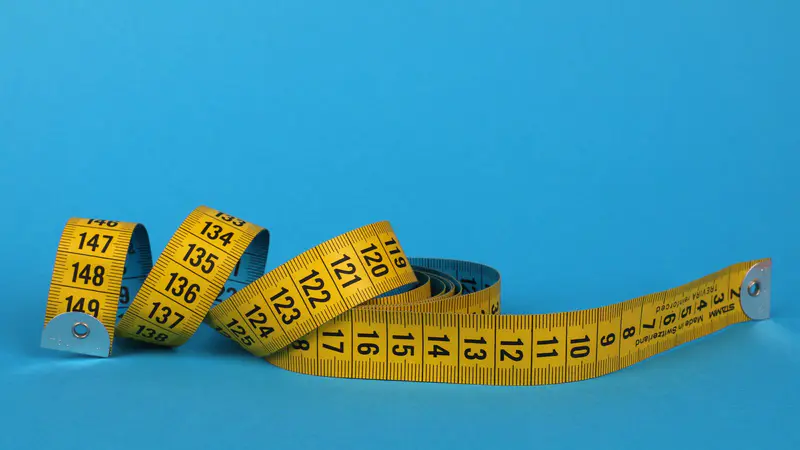
If the scale is your only yardstick, you will miss most of the story. Fitness progress shows up in strength, energy, recovery, measurements, movement quality and how consistently you can stick to the plan. Weight can change for reasons that have nothing to do with fat loss or fitness, so it is better treated as one data point, not the whole picture.
Why the scale can be misleading
Your body weight naturally moves up and down because of water retention, glycogen, sodium, digestion and hormones. That means a heavier weigh-in after a hard workout, a salty meal or a poor night's sleep does not automatically mean you have lost progress.
For many people, the better question is not "Did I lose weight this week?" but "Am I getting fitter, stronger and more consistent?" That shift matters because sustainable health is built from several connected habits, not one number.
Visionary takes that joined-up view seriously. It brings training, nutrition and progress tracking into one place so you can see how sleep, recovery, movement and food choices affect the way you feel and perform.
The best ways to measure progress
Track more than just weight to understand your progress. Strength shows how your body is adapting, measurements and photos reveal changes in size and shape, while energy and recovery reflect how well your lifestyle supports training. Workout consistency shows whether your habits are sticking, and mobility and movement quality can highlight improvements in performance and physical function.
1. Track strength, not just sweat
Strength gains are one of the clearest signs that your training is working. If you are lifting more weight, doing more reps, completing more quality sets or recovering faster between sessions, your body is adapting.
This matters because improved strength often supports everything else, from everyday movement to body composition. It is also more reliable than how hard a session felt on a given day.
Good strength markers to use
- More reps with the same weight
- More weight with the same reps
- Better control and range of motion
- Less fatigue during familiar workouts
The key is to track the same lifts or movement patterns over time so you can see real change.
2. Use measurements to spot body composition change
Waist, hip, thigh, arm and chest measurements can reveal progress even when body weight is flat. That is especially useful if you are losing fat and building muscle at the same time, because the scale may not move much.
Measure at the same time of day, under the same conditions, and use the same tape measure placement each time. Consistency matters more than frequency.
Best practice
- Measure every 2 to 4 weeks
- Keep the tape level and snug, not tight
- Record the same landmarks each time
- Focus on trends, not one-off changes
3. Take progress photos, but compare like with like
Photos are often the most useful non-scale marker because they show changes in shape, posture and definition that are easy to miss day to day. They work best when you standardise them.
Take front, side and back photos in the same lighting, at the same time of day, in similar clothing. If you take them randomly, the comparison becomes noise.
What photos can show
- More visible muscle definition
- A smaller waist or midsection
- Better posture and movement confidence
- Reduced bloating over time
Photos are subjective, so they work best alongside measurements and performance data.
4. Watch your energy, appetite and recovery
If your training is improving but you are constantly exhausted, overly sore or ravenous, something is off. Progress is not just about doing more. It is also about recovering well enough to repeat the work.
A healthier pattern usually looks like steadier energy through the day, fewer crashes after meals, better sleep quality and less lingering soreness after training. These are practical signs that your nutrition, sleep and training load are working together.
Useful recovery signals
- You wake up feeling more rested
- You are less dependent on caffeine
- Soreness fades faster between sessions
- Hunger feels more manageable
- You can train consistently without burnout
5. Track workout consistency
Consistency is one of the strongest predictors of long-term results, but it is also one of the easiest things to ignore because it feels less exciting than a before-and-after photo.
If you are showing up more often, missing fewer sessions and following your plan more consistently, you are making progress even before the mirror catches up. That is especially true for people with busy schedules, where the real win is building a plan that fits real life.
Visionary is designed around that problem. Its flexible approach helps you keep training and nutrition on track even when work, travel or energy levels change, because you can move a workout or swap a meal.
6. Check movement quality and mobility
Progress is not only about how much weight you can move. It is also about how well you move. Better squat depth, smoother running mechanics, less stiffness and improved joint control are all signs that your body is adapting.
This matters because good movement quality supports safer training and often makes workouts feel easier over time.
Examples of movement wins
- You can squat with better depth and control
- You can touch your toes more comfortably
- You feel less stiff after sitting for long periods
- You recover better between sessions
7. Notice changes in daily life
Real fitness progress often shows up outside the gym first. You may carry shopping more easily, take the stairs without thinking about it or feel less wiped out after a busy day.
These changes are easy to underestimate, but they are some of the most meaningful signs that your health is improving. After all, fitness should support your life, not just your workout.
8. Use a simple scorecard instead of obsessing over one metric
A better approach is to track a few markers together. For example:
- Strength sessions completed each week
- Waist measurement every fortnight
- Energy score from 1 to 5 each morning
- Sleep quality from 1 to 5
- One progress photo every 2 weeks
This gives you a fuller picture without turning your health into a full-time admin job.
When the scale still matters
The scale is not useless. It can be helpful if you are tracking a clear weight goal, but it works best when combined with other signals. If your weight is stable while strength, measurements and energy are improving, that is still progress.
If your weight is falling but your workouts are getting worse, you may be under-fuelling or recovering poorly. The number alone cannot tell you that.
How Visionary helps you track the right progress
Visionary is built for the kind of progress the scale misses. Its training is built around your schedule and fitness level, its nutrition guidance helps you make better day-to-day choices, and its progress tracking gives you clearer insight into what is changing over time.
That is useful because the right metrics depend on the goal. If you want to build muscle, strength and measurements matter more. If you want better energy and consistency, recovery and adherence matter more. If you want sustainable fat loss, you need all of them working together.
Why that matters
- You stop overreacting to normal weight fluctuations
- You see progress that is easy to miss otherwise
- You can adjust training, food and recovery with more confidence
If you only track the scale, you will miss most signs that your body is changing. Better indicators include strength, measurements, photos, recovery, consistency and how you function in everyday life. The best approach is to use a small set of metrics together, so you can see the bigger picture without getting lost in the numbers. NHS guidelines on physical activity reinforce that progress looks different for everyone, and that movement quality and consistency matter as much as output. The NHS Eatwell Guide is a useful reference for understanding how nutrition fits into the wider picture.
If you want a more joined-up way to track progress, Visionary can help you connect training, nutrition and recovery in one place. Start with the 7-day free trial and see how much clearer progress feels when it is measured properly.
Related reading: what your fitness data actually tells you and progressive overload explained.
FAQ
What is the best way to measure fitness progress without using the scale?
The best approach is to combine a few markers. Strength, measurements, progress photos, recovery and consistency together give a much clearer picture than body weight alone. That combination helps you spot fat loss, muscle gain and better fitness even when the scale stays the same.
How often should I take progress photos or measurements?
Every 2 to 4 weeks is enough for most people. That interval is long enough to show real change and short enough to keep you informed. Taking readings too often can make normal fluctuations feel more important than they are.
Why does my weight go up even when I am training well?
Day-to-day weight changes often reflect water, food volume, sodium, glycogen and hormones rather than fat gain. A hard workout can temporarily increase water retention too. If your strength, measurements and energy are improving, that is usually a better sign of progress than a single weigh-in.
Can I gain fitness without losing weight?
Yes. You can improve strength, endurance, mobility and recovery without losing body weight, especially if you are building muscle or improving performance. Weight loss is only one possible outcome of better health, not the definition of it.
What should I track if my goal is fat loss?
Track waist measurements, progress photos, training consistency, hunger, energy and strength alongside body weight. That gives you a more complete view of whether you are losing fat while keeping performance and recovery in a healthy place.
How does Visionary support progress tracking?
Visionary connects training, nutrition and progress tracking in one place, so you can see how your habits affect results over time. It is useful if you want a clearer, more practical way to measure change without relying on the scale alone.
Educational note: This article is for general information only and is not a substitute for medical advice. If you have concerns about weight, body composition or exercise tolerance, speak with a qualified healthcare professional.
Related articles
 FitnessHabitsHolistic Health
Low-Carb, Low-Fat or High-Protein: Which Works Best?
The best weight-loss diet is one you can stick to while maintaining a calorie deficit. Higher protein can help with fullness and muscle retention.
15 Sept 2026 · Ashton de Pontes WellbeingVisionary PlatformSleep
What Does an Expert Fitness and Nutrition Coach Do?
An expert coach creates a personalised system for training, nutrition and recovery, adapting it as your goals, schedule and progress change. They help you stay consistent when motivation drops or routines change.
10 Sept 2026 · Ashton de Pontes FitnessHabitsLongevity
Do Wellness Apps Improve Long-Term Results?
The best fitness apps combine personalised guidance, self-monitoring and accountability to build consistent habits and support long-term results.
4 Sept 2026 · Ashton de Pontes