How Much Protein Do You Need a Day? By Weight, Age and Goal
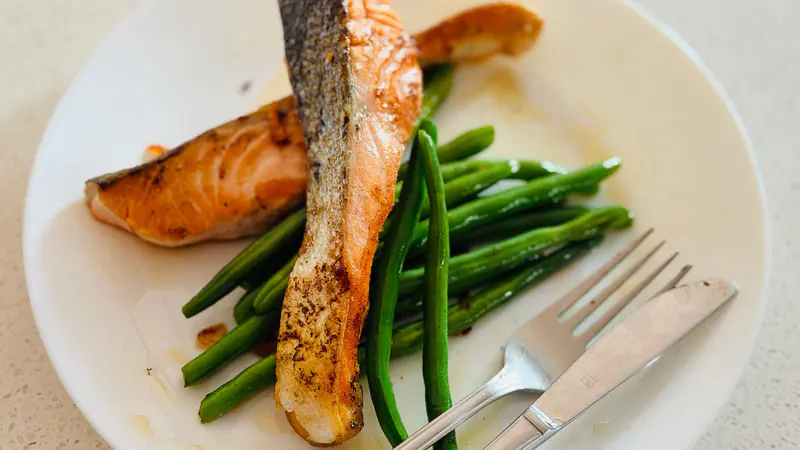
Most healthy adults need at least 0.75g of protein per kilogram of body weight per day, according to UK guidance. That is about 45g for a 60kg adult and 60g for an 80kg adult. People who train regularly, adults over 65 and anyone trying to keep muscle while losing weight usually benefit from more, often 1.0g to 2.0g per kilogram.
The key insight: the UK figure is a minimum to avoid deficiency in the general population. It was never designed as the best intake for building or keeping muscle.
Below: a table you can read off by weight, what changes with age and training, how to spread protein through the day, and when to be careful.
The Official UK Protein Guideline
The UK Reference Nutrient Intake (RNI) for protein is 0.75g per kg of body weight per day for adults. The British Nutrition Foundation gives the example of a 60kg adult needing about 45g a day.
The RNI is set to cover the needs of almost everyone in the population. It is a good floor. But research on muscle, ageing and exercise suggests some groups do better well above it.
How Much Protein You Need by Goal
| Who | Suggested range | Source |
|---|---|---|
| Most healthy adults | 0.75g per kg (minimum) | UK RNI |
| Adults over 65 | 1.0 to 1.2g per kg | PROT-AGE study group |
| Active adults over 65 | 1.2g per kg or more | PROT-AGE study group |
| People who exercise regularly | 1.4 to 2.0g per kg | International Society of Sports Nutrition |
The PROT-AGE study group, an international expert panel, recommended in 2013 that people over 65 aim for at least 1.0 to 1.2g per kg a day to help maintain muscle and function, with more for those who are active or recovering from illness. The International Society of Sports Nutrition recommends 1.4 to 2.0g per kg a day for most people who exercise.
Daily Protein by Body Weight
Here is what those ranges look like in grams per day.
| Body weight | UK minimum (0.75g/kg) | Over 65 (1.0 to 1.2g/kg) | Regular exercise (1.4 to 2.0g/kg) |
|---|---|---|---|
| 50kg | 38g | 50 to 60g | 70 to 100g |
| 60kg | 45g | 60 to 72g | 84 to 120g |
| 70kg | 53g | 70 to 84g | 98 to 140g |
| 80kg | 60g | 80 to 96g | 112 to 160g |
| 90kg | 68g | 90 to 108g | 126 to 180g |
| 100kg | 75g | 100 to 120g | 140 to 200g |
If you are carrying a lot of extra weight, the numbers can come out higher than you need, because fat tissue needs little protein. In that case, many dietitians work from a target or adjusted body weight instead. A registered dietitian can help you set a figure.
Why Protein Needs Rise With Age
From middle age, muscle tends to respond less strongly to the same amount of protein, a change sometimes called anabolic resistance. Combined with less activity, this contributes to the gradual loss of muscle and strength known as sarcopenia.
The shortfall is common. A 2020 study of 256 adults aged 65 to 89 in South Yorkshire found that fewer than half met even the UK guideline of 0.75g per kg, and fewer than 15% reached the 1.2g per kg recommended for older adults by the European Society for Clinical Nutrition and Metabolism.
Protein works best alongside strength training. Our guide to strength training in perimenopause explains why lifting matters more with age, for women in particular.
Protein When You Are Losing Weight
When you eat fewer calories, some of the weight you lose can come from muscle. Eating enough protein and doing strength training are the two most reliable ways to protect it. The ISSN notes that people who strength train while in a calorie deficit may benefit from intakes above the usual 1.4 to 2.0g range.
This matters even more if you are using a weight-loss medication, because appetite can drop sharply. Our guide to keeping your muscle on a weight-loss jab covers this in detail, and so does our article on how to build muscle while losing weight.
How to Spread Protein Through the Day
The ISSN suggests about 20 to 40g of high-quality protein per meal, or roughly 0.25g per kg of body weight, spread every 3 to 4 hours. In practice, that usually means:
- A protein-led breakfast, which is where most people fall short. Eggs, Greek yoghurt, cottage cheese or tofu work well.
- A palm-sized portion at lunch and dinner, such as chicken, fish, lentils or beans.
- A snack if you need one, like a glass of milk, a handful of edamame or a pot of skyr.
Roughly How Much Protein Is in Common Foods?
Amounts vary by brand and portion, so check the label, but as a rough guide:
| Food | Typical portion | Protein (approx.) |
|---|---|---|
| Chicken breast, cooked | 120g | 35g |
| Salmon fillet, cooked | 120g | 25g |
| Greek yoghurt, plain, strained | 150g | 15g |
| Eggs | 2 medium | 12g |
| Lentils, cooked | 150g | 13g |
| Tofu, firm | 100g | 12g |
| Milk | 250ml | 9g |
| Almonds | 30g | 6g |
Can You Eat Too Much Protein?
For healthy adults, intakes within the ranges above are generally considered safe. There are exceptions. People with kidney disease may need to limit protein, and PROT-AGE specifically excludes older adults with severe kidney disease who are not on dialysis from its higher recommendations. If you have a kidney condition, are pregnant, or have been given dietary advice by your doctor, follow that advice.
Very high protein diets can also crowd out fibre, which most people in the UK already do not get enough of. Our guide to fibremaxxing explains why that matters.
How Visionary Can Help
Visionary's meal plans are built around your goal and your dietary preferences, whether you eat everything, vegetarian, vegan or gluten-free, and they show the protein in each meal so you can see your day add up. The photo food scanner gives you the calories, macros and a nutrition grade for anything you eat off-plan, and your training plan adds the strength work that makes protein count.
Start your 7-day free trial and see how much protein you really eat on an ordinary day.
FAQ
How much protein do I need a day?
UK guidance is at least 0.75g per kilogram of body weight per day, about 45g for a 60kg adult or 60g for an 80kg adult. Adults over 65 and people who exercise regularly often benefit from more, typically 1.0 to 2.0g per kg.
How much protein do I need to build muscle?
The International Society of Sports Nutrition recommends 1.4 to 2.0g per kg of body weight a day for most people who exercise, spread across meals, combined with regular strength training. Protein without training does little for muscle.
Do older adults need more protein?
Yes. The PROT-AGE expert group recommends at least 1.0 to 1.2g per kg a day for adults over 65, and 1.2g or more for those who are active, because ageing muscle responds less to protein. Older adults with severe kidney disease are an exception and should follow their doctor's advice.
How much protein should I eat in one meal?
About 20 to 40g of good-quality protein per meal works for most people, according to the ISSN, spread every 3 to 4 hours. Most people get plenty at dinner and too little at breakfast.
Is 100g of protein a day too much?
For most healthy adults who are active, 100g a day is within the recommended range. For a 70kg adult it works out at about 1.4g per kg. If you have kidney disease or another medical condition, check with your GP or a registered dietitian first.
Can I get enough protein on a vegan diet?
Yes, with some planning. Tofu, tempeh, lentils, beans, chickpeas, edamame and soya milk are all good sources. Eating a variety through the day helps you get the full range of amino acids.
This article is for general information only and is not a substitute for personalised advice. If you have a medical condition, especially kidney disease, are pregnant, or have been given a special diet, speak to your GP or a registered dietitian before changing how much protein you eat.
Related articles
 FitnessHabitsMeal Planning
Best Fitness Platforms for Frequent Travellers
Find the best fitness platforms for frequent travellers, with flexible workouts, nutrition, recovery and sleep support that fit around changing schedules.
26 Aug 2026 · Ashton de Pontes NutritionHolistic HealthMeal Planning
Anti-Inflammatory Diet: What It Is, What the Evidence Says, and How to Eat This Way
What is an anti-inflammatory diet? What the research really shows, which foods to build your meals around, and a simple 3-day plan to get started.
17 Oct 2026 · Ashton de Pontes NutritionFitnessLongevity
Creatine for Women: Muscle, Brain and What the Research Shows
Is creatine worth taking for women? What research says about strength, brain health, menopause and safety, plus how much to take.
12 Oct 2026 · Ashton de Pontes