Strength Training in Perimenopause: Where to Start
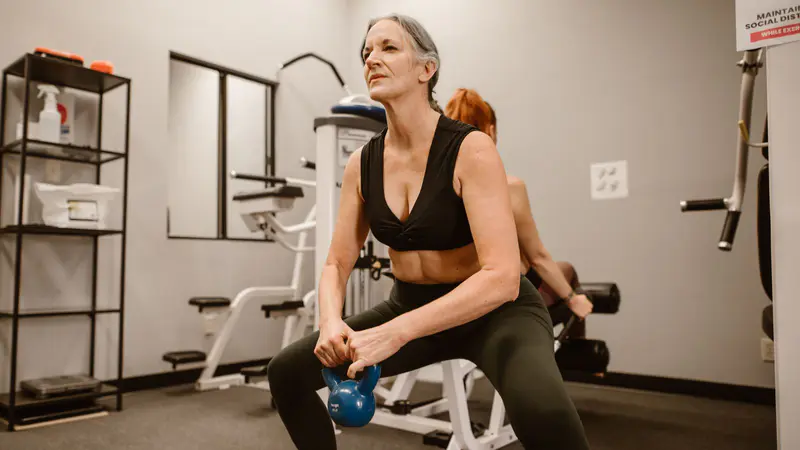
Strength training is one of the most useful things you can do during perimenopause and after the menopause. As oestrogen falls, muscle and bone are lost faster, and regular, progressively challenging strength training is the most effective way to slow that loss, with knock-on benefits for metabolism, balance, mood and sleep. It is never too late to start, and you do not need to train like an athlete to benefit.
The key insight: the goal is not to burn calories. It is to give your muscles and bones a reason to stay strong at the exact time hormonal changes make them easier to lose.
This article explains what changes in perimenopause, what the research shows, and how to build a simple, safe strength routine.
What Happens to Your Body in Perimenopause?
Perimenopause is the transition before the menopause, when hormone levels start to fluctuate and then fall. It often begins in your 40s and can last several years. According to the NHS, one of the first signs is usually a change to your periods, and symptoms vary hugely: some people have very few, others find them affect work, sleep and relationships.
Several changes matter for training:
- Muscle: oestrogen helps maintain muscle mass and strength. As it declines, muscle is lost more easily, and fat tends to shift towards the abdomen.
- Bone: bone density falls more quickly in the years around the menopause, raising the risk of osteoporosis and fractures later in life.
- Metabolism: less muscle means lower energy needs and, for some, changes in how the body handles blood sugar.
- Sleep and mood: night sweats, poor sleep, anxiety and low mood can all make it harder to stay consistent with exercise.
What the Research Shows
Strength Training Protects Bone
For years, women with low bone density were often told to avoid heavy lifting. The LIFTMOR trial, published in the Journal of Bone and Mineral Research, challenged that. Postmenopausal women with low bone mass did eight months of twice-weekly, 30-minute supervised sessions of high-intensity resistance and impact training. Compared with a low-intensity home programme, they improved bone density at the spine and hip, and physical function, with no training-related injuries.
The key detail is supervised and progressive. Participants built up gradually under expert coaching. The Royal Osteoporosis Society similarly recommends muscle-strengthening exercise and impact activity for bone health, adapted to the individual.
Official Guidance Includes Strength
The NHS physical activity guidelines recommend strengthening activities that work all the major muscle groups on at least two days a week, alongside 150 minutes of moderate activity. The NHS advice on managing menopause symptoms includes regular exercise, including strength training, as part of looking after yourself.
Benefits Beyond Muscle and Bone
- Blood sugar: muscle is the body's biggest site of glucose uptake.
- Balance and falls: stronger legs and a stronger trunk reduce fall risk, which matters more as bone density falls.
- Joint comfort: stronger muscles support joints, and many people find aches improve.
- Mood and confidence: regular exercise supports mood, and getting measurably stronger is a powerful confidence boost.
- Sleep: regular exercise is associated with better sleep, though very late intense sessions can disrupt it for some people.
How to Start Strength Training in Perimenopause
Aim for Two to Three Sessions a Week
Two full-body sessions a week is enough to make real progress. Three is better if you can manage it. Sessions of 30 to 45 minutes are plenty.
Cover the Main Movement Patterns
Each session should include one exercise from each pattern:
- Squat: sit-to-stand from a chair, goblet squat, or leg press
- Hinge: glute bridge, hip thrust, or Romanian deadlift with dumbbells
- Push: incline push-up, dumbbell chest press, or overhead press
- Pull: resistance band row, dumbbell row, or lat pulldown
- Carry: farmer's carry with dumbbells or shopping bags
- Core: dead bug, bird dog, or side plank
Start with two sets of 10 to 12 repetitions of each, at a weight that feels challenging by the last few repetitions but lets you keep good form.
Progress Gradually
The bone and muscle benefits come from gradually increasing the challenge. When you can comfortably complete all your repetitions, add a little weight, a few repetitions or an extra set. This is progressive overload, and it is what makes training work. Over time, many people can work up to heavier weights for fewer repetitions, which the LIFTMOR research suggests is especially useful for bone.
Add Some Impact If Your Joints Allow
For bone, short bursts of impact such as heel drops, skipping or small jumps can help, alongside strength work. Start very gently. If you have been diagnosed with osteoporosis or have had a fracture, get personalised advice first.
Keep Walking
Walking does not replace strength training, but it is excellent for heart health, mood and blood sugar, and it counts towards your 150 minutes.
Fuelling Strength Training in Midlife
- Protein: spread protein across your meals, with a good portion at each. Needs for protein tend to rise with age to support muscle.
- Calcium and vitamin D: both are important for bone. In the UK, the NHS advises everyone to consider a vitamin D supplement during autumn and winter.
- Enough food overall: under-eating while training hard can work against muscle and bone. Our guide to building muscle while losing weight covers how to balance the two.
Working Around Symptoms
Perimenopause is unpredictable, and your plan should be flexible:
- Poor night's sleep: do a shorter or lighter session rather than skipping.
- Joint aches: choose exercises and ranges that feel comfortable, and warm up for longer.
- Hot flushes: train somewhere cool, wear layers and keep water to hand.
- Low motivation: a short session done is better than a long session missed. Our article on why rest and recovery matter explains how to balance effort and recovery.
When to Speak to Your GP
Speak to a GP if perimenopause symptoms are affecting your daily life. The NICE menopause guideline sets out treatment options, including hormone replacement therapy (HRT) and cognitive behavioural therapy, and lifestyle changes work alongside these rather than replacing them. Also check with your GP before starting if you have a heart condition, osteoporosis, a previous fracture, or any condition that affects how safely you can exercise.
How Visionary Can Help
Starting strength training in midlife is easier with a plan that fits your body and your week. Visionary builds personalised training around your goal, equipment, chosen days and level, and steps it up gradually week by week. You can move or swap a session on a bad-sleep day without losing your progress, track your cycle as it changes, and follow meal plans built around your protein needs. Expert-led courses explain the why behind it all.
You can try Visionary free and start building strength at your own pace.
FAQ
Is strength training good for perimenopause?
Yes. Strength training helps slow the loss of muscle and bone that speeds up as oestrogen falls, and supports metabolism, balance, mood and sleep. Health guidelines recommend muscle-strengthening activity on at least two days a week.
How often should I lift weights during perimenopause?
Two to three full-body strength sessions a week is a good target. Each session can be 30 to 45 minutes, covering squats, hinges, pushes, pulls, carries and core work.
Is it safe to lift heavy weights after the menopause?
For many women, yes, with gradual progression and good technique. Research such as the LIFTMOR trial found supervised, progressive high-intensity training improved bone density in postmenopausal women with low bone mass. If you have osteoporosis or a previous fracture, get individual advice first.
Can strength training help with menopause weight gain?
Strength training helps maintain muscle, which supports metabolism and blood sugar control. Combined with good nutrition, sleep and regular activity, it can help manage changes in body composition, though it works best as part of a wider approach.
Is it too late to start strength training at 50?
No. People of all ages can gain strength with regular training, including those starting in their 50s, 60s and beyond. Start with lighter weights or bodyweight exercises and build up gradually.
Does strength training help menopause symptoms?
Regular exercise, including strength training, is associated with better mood and sleep, which many people find helps them cope with symptoms. It does not replace medical treatment such as HRT for those who need it, so speak to your GP about symptom management.
Related articles
 FitnessHolistic HealthLongevity
Why Do I Feel Unhealthy Even Though I'm Exercising Regularly?
Why you still feel tired despite regular exercise, and how sleep, nutrition, stress, and recovery can affect your overall wellbeing.
23 Sept 2026 · Sophie Sparkes FitnessHabitsHolistic Health
Low-Carb, Low-Fat or High-Protein: Which Works Best?
The best weight-loss diet is one you can stick to while maintaining a calorie deficit. Higher protein can help with fullness and muscle retention.
15 Sept 2026 · Ashton de Pontes FitnessLongevityHabits
Best Ways to Measure Fitness Progress Beyond the Scale
Fitness progress is about more than the number on the scale. Strength, energy, recovery, measurements, movement quality and consistency all show how well you are progressing.
11 Sept 2026 · Ashton de Pontes