Global
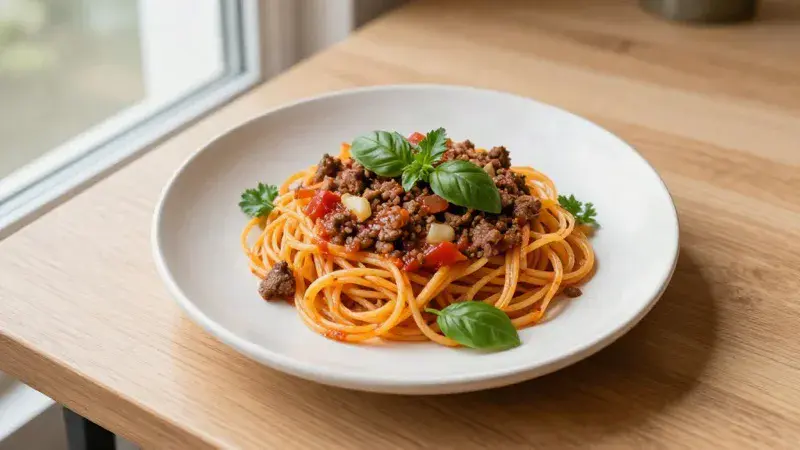
Spaghetti Squash with Meat Sauce
Roasted spaghetti squash topped with a homemade beef and tomato sauce.
~55 mintotal~204 kcalper serving~13g protein~13g carbs~11g fat
Estimated. Worked out from the ingredients using the UK food composition tables, so treat it as a guide rather than a measurement. A typical recipe lands within about a quarter of the true figure. Makes about 4.
Ingredients
- 1 Spaghetti squash
- 200 g Ground beef
- 1 cup Crushed tomatoes
- 1 Onion
- 1 Garlic clove
- 1 tbsp Olive oil
- to taste Salt, pepper, oregano
Cooking Steps
Cut squash in half, bake at 200°C for 35-40 minutes.
Sauté onion and garlic, then brown beef.
Add tomatoes and spices, simmer for 15 mins.
Scrape squash strands and top with sauce.
Plant & Growing Tips
Spaghetti Squash
- Sow seeds directly into warm soil after the last frost, or start indoors 3-4 weeks prior to transplanting.
- Provide plenty of space for vines to spread (up to 20 feet) or train them up a sturdy trellis to save space.
- Ensure full sun and consistent moisture, especially during fruit development, to encourage good yields.
Tomatoes
- Plant tomato seedlings in a sunny location with well-drained soil after all danger of frost has passed.
- Provide staking, caging, or trellising for support as the plants grow to prevent disease and improve fruit production.
- Water deeply and consistently at the base of the plant to prevent blossom end rot and cracking.
Onion
- Plant onion sets or seeds in early spring in a sunny location with well-drained, fertile soil.
- Space plants 4-6 inches apart in rows to allow for bulb development and good air circulation.
- Onions require consistent moisture throughout the growing season but avoid overwatering as bulbs mature.
Garlic
- Plant individual garlic cloves, pointed end up, 2-4 inches deep and 4-6 inches apart in well-drained soil in autumn.
- Garlic needs a period of cold temperatures (vernalization) to produce large bulbs, making fall planting ideal.
- Choose a sunny location and keep the bed free of weeds, which compete for nutrients and water.
Natural Pest Control
- Monitor spaghetti squash plants for squash bugs and squash vine borers; hand-pick bugs and eggs, or use row covers on young plants.
- Inspect tomato plants regularly for tomato hornworms and hand-pick them off, or introduce beneficial wasps.
- Use row covers over young onion and garlic plants to deter onion maggot flies from laying eggs.
Harvest
Spaghetti Squash
- Harvest spaghetti squash when the skin is firm, deep yellow, and resistant to fingernail puncture, and the stem has dried.
- Cut the squash from the vine with a sharp knife, leaving a 2-inch stem attached to improve storage life.
- If left on the vine too long, the squash can become overly watery or develop a stringy texture.
Tomatoes
- Pick tomatoes when they are fully colored and firm but yield slightly to gentle pressure.
- Harvest regularly to encourage the plant to produce more fruit.
- Overripe tomatoes can become soft and mealy; pick them promptly for best flavor.
Onion
- Harvest onions when about two-thirds of the tops have yellowed and fallen over naturally.
- Loosen the soil around the bulbs with a fork and gently pull them from the ground on a dry, sunny day.
- Allow onions to cure in a warm, dry, well-ventilated area for several weeks until their outer skins are dry and papery.
Garlic
- Harvest garlic when the lower third to half of the leaves have turned yellow or brown, but the upper leaves are still green.
- Gently loosen the soil around the bulbs with a fork to avoid damaging them, then pull the plants from the ground.
- Cure garlic in a warm, dry, well-ventilated spot for 2-4 weeks until the wrappers are papery and the stems are dry.