Global
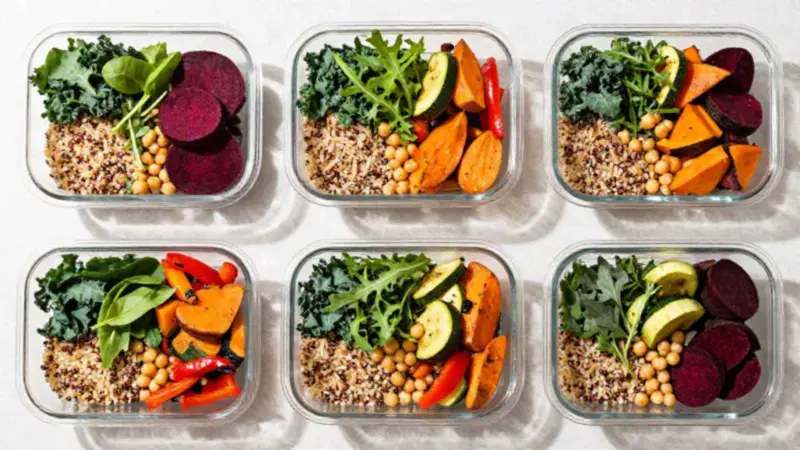
Rainbow Buddha Bowl Prep (5 boxes)
Five plant-powered bowls from one roast: chickpeas, quinoa and a rainbow of roasted veg with a tahini pot on the side.
Estimated. Worked out from the ingredients using the UK food composition tables, so treat it as a guide rather than a measurement. A typical recipe lands within about a quarter of the true figure. Makes about 5.
Ingredients
- 800g chickpeas, drained
- 1½ cups quinoa (dry)
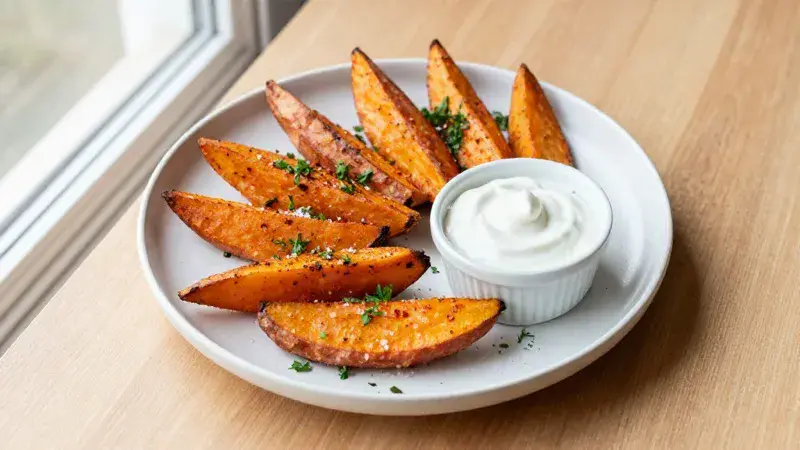
- 2 sweet potatoes, chunked
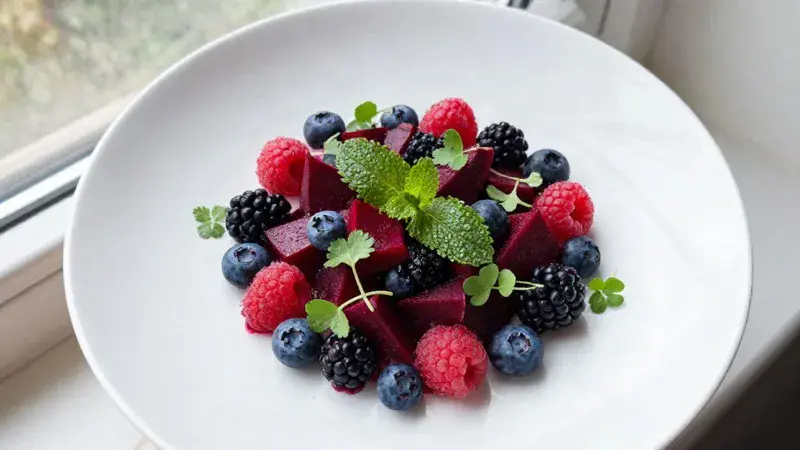
- 2 beetroot, chunked
- 2 carrots, chunked
- 1 head broccoli, in florets
- 2 tbsp olive oil
- 1 tsp smoked paprika
- Tahini-lemon dressing (packed separately)
Cooking Steps
Cook the quinoa; spread on a tray to cool fast.
Roast all the veg and half the chickpeas in oil and paprika at 200°C (400°F) for 25–30 minutes.
Build 5 boxes: quinoa, roasted veg, remaining chickpeas.
Cool, lid, refrigerate within 2 hours.
Pack the tahini dressing in side pots and dress only when eating.
Optional Enhancements
- Any hearty roastable veg
- Add feta or a boiled egg
- Brown rice instead of quinoa
Plant & Growing Tips
Sweet Potatoes
- Plant sweet potato slips after the last frost in full sun and loose, well-drained soil.
- Ensure consistent moisture, especially during tuber development, and provide plenty of space for vines to spread.
Beetroot
- Sow beetroot seeds directly in cool weather, either spring or late summer, in full sun to partial shade.
- Thin seedlings to 3-4 inches apart for good root development and keep soil consistently moist.
Carrots
- Sow carrot seeds directly into loose, stone-free soil in full sun after the last frost or in late summer.
- Keep the soil consistently moist during germination and early growth to prevent crusting and encourage straight roots.
Broccoli
- Plant broccoli seedlings in spring for a summer harvest or late summer for an autumn harvest, in full sun and rich, well-drained soil.
- Provide consistent moisture and feed with a balanced fertilizer for robust growth.
Lemon
- Plant lemon trees in full sun and well-drained soil, protecting them from frost by growing in pots in cooler regions.
- Water regularly, especially during dry spells and when the tree is flowering or fruiting.
Natural Pest Control
- Spray aphids off young broccoli, beetroot, and carrot plants with a strong jet of water or insecticidal soap.
- Hand-pick cabbage worms from broccoli plants or use Bacillus thuringiensis (Bt) spray.
- Use floating row covers over carrots during planting to deter carrot rust flies.
- Improve soil health and rotate crops to manage root knot nematodes in sweet potato beds.
Harvest
Sweet Potatoes
- Harvest sweet potatoes before the first hard frost, typically 90-120 days after planting, when leaves begin to yellow.
- Carefully dig tubers to avoid bruising, cure them in a warm, humid place for 1-2 weeks, then store.
Beetroot
- Pull beetroot roots when they are 1.5-3 inches in diameter; larger beets can become woody.
- Young leaves can also be harvested for greens, taking only a few from each plant to not impede root growth.
Carrots
- Harvest carrots when they reach your desired size, usually 60-75 days after sowing, before they get too large and split or become woody.
- Loosen the soil around the carrots before pulling to prevent breakage.
Broccoli
- Cut the main broccoli head when it is firm and tight, before the florets start to separate or yellow.
- After harvesting the main head, side shoots will often develop, providing a continuous harvest.
Lemon
- Pick lemons when they are fully yellow, firm, and feel heavy for their size.
- Taste a small piece to ensure ripeness; fruit left too long on the tree can become dry.
Storing & Freezing
Fridge 4 days. Dressing separate is the difference between day-4 delicious and day-2 soggy.