Global
Cultured Oats (Fermented Porridge Base)
Gently fermented oats that are easier to digest and support gut health.
Estimated. Worked out from the ingredients using the UK food composition tables, so treat it as a guide rather than a measurement. A typical recipe lands within about a quarter of the true figure. Makes about 2.
Ingredients
- 1 cup rolled oats (organic if possible)
- 1 cup warm filtered water
- 2 tbsp live yogurt, kefir, or water kefir liquid (starter culture)
- 1 tbsp apple cider vinegar or lemon juice (optional)
Cooking Steps
Place rolled oats into a clean glass or ceramic bowl.
Add warm filtered water and stir to combine.
Stir in the starter culture and optional vinegar or lemon juice.
Cover loosely with a clean cloth.
Leave at room temperature for 12–24 hours.
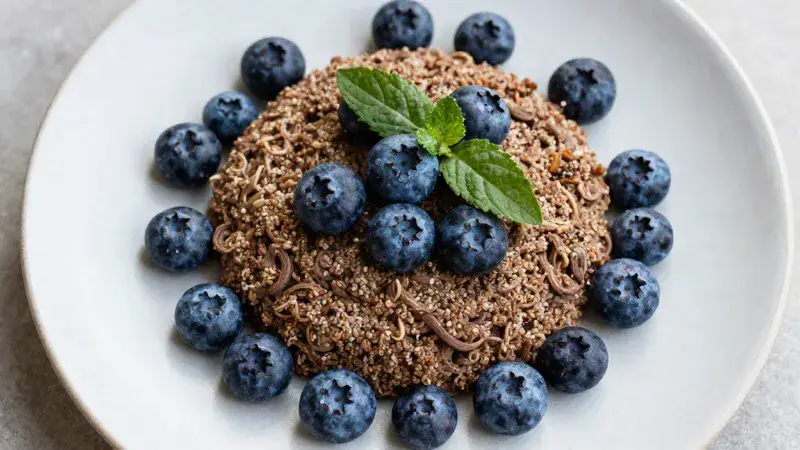
Once lightly tangy, cook gently on the stove or eat soaked if preferred.
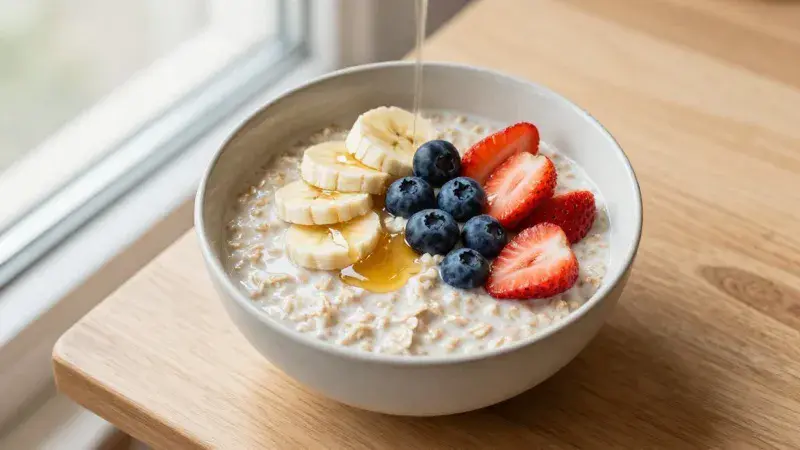
Serve warm with fruit, seeds, or honey.
Plant & Growing Tips
Blueberries
- Not in the recipe, but grow blueberries to add fresh fruit to your fermented porridge. Blueberries require acidic soil (pH 4.5-5.5) and full sun; consider growing them in large pots if your soil isn't naturally acidic.
- Plant in early spring and ensure consistent moisture, especially during fruit development.
Rhubarb
- Not in the recipe, but grow rhubarb for a tart compote to serve with your porridge. Plant rhubarb crowns in early spring in a sunny to partially shaded spot with rich, well-drained soil, giving them plenty of space to spread.
- Avoid harvesting in the first year to allow the plant to establish a strong root system.
Natural Pest Control
- Netting can protect ripening blueberries from birds.
- Check blueberry plants for cherry fruitworms or blueberry maggots and remove affected fruit promptly.
- Slugs and snails can chew rhubarb leaves; hand-pick them or use beer traps.
- Keep the area around rhubarb plants free of debris to reduce hiding spots for pests.
Harvest
Blueberries
- Harvest blueberries when they are fully blue and easily detach from the stem, usually in mid-summer.
- Pick regularly to encourage more fruiting and prevent overripe berries.
Rhubarb
- Harvest rhubarb stalks in spring and early summer when they are 1-2 inches thick; twist and pull them from the base of the plant.
- Never eat rhubarb leaves as they are poisonous; only consume the stalks.
Storing & Freezing
Fermented oats: Refrigerate for up to 2 days. Cook immediately after fermentation for best results.