Asian
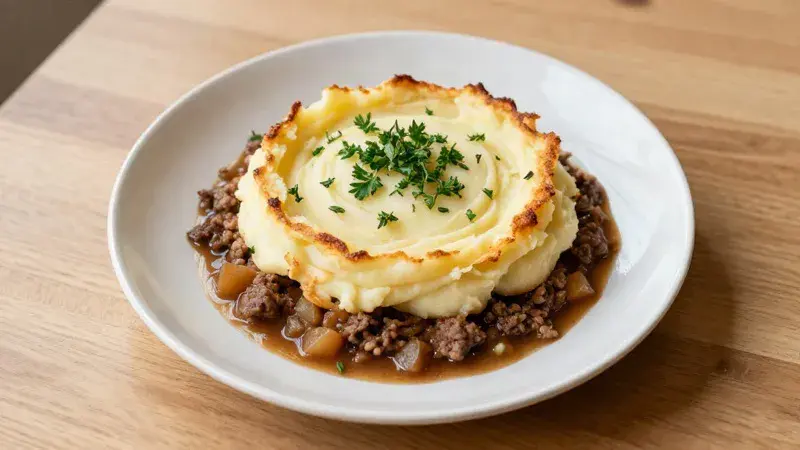
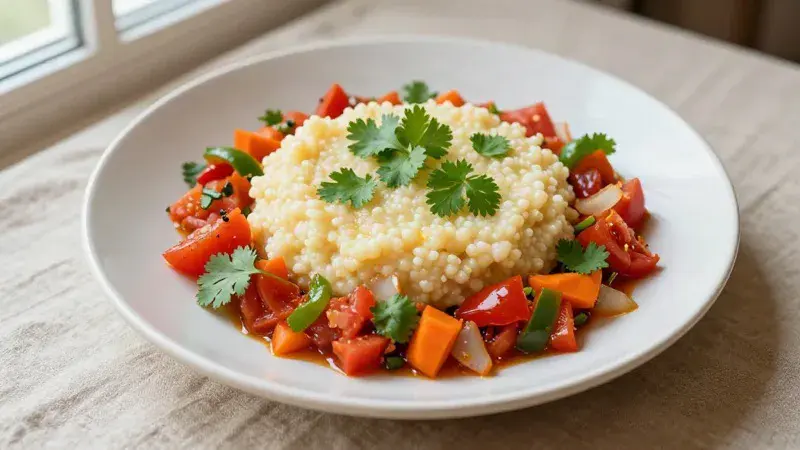
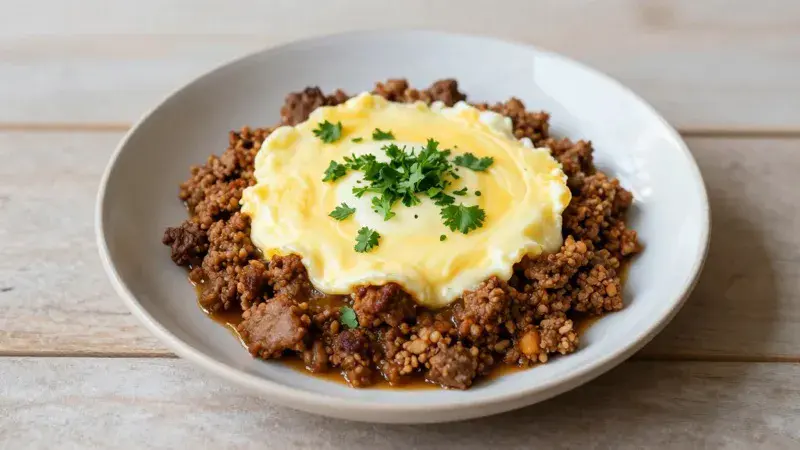
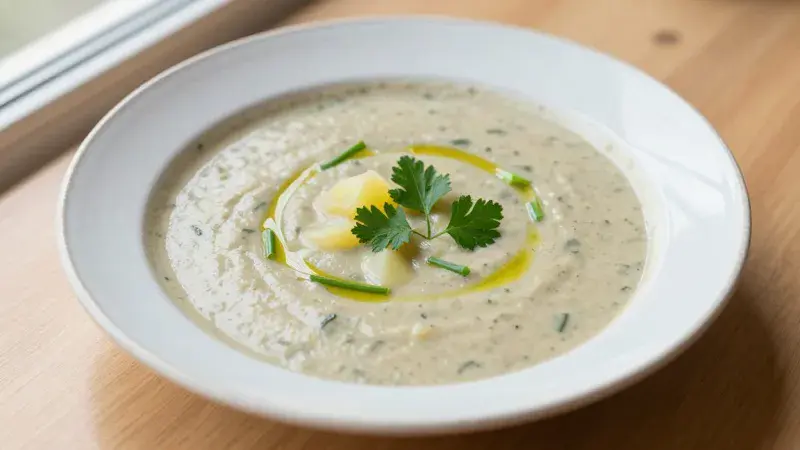
Coconut Chicken Curry
A fragrant chicken curry made with coconut milk, carrots, and spinach.
~45 mintotal~690 kcalper serving~52g protein~9g carbs~50g fat
Estimated. Worked out from the ingredients using the UK food composition tables, so treat it as a guide rather than a measurement. A typical recipe lands within about a quarter of the true figure. Makes about 2.
Ingredients
- 2 Chicken breasts
- 1 can Coconut milk
- 1 Carrot
- 1 cup Spinach
- 1 tbsp Curry powder
- 1 tbsp Coconut oil
- 1 Garlic clove
- to taste Salt
Cooking Steps
Dice chicken and brown in coconut oil.
Add sliced carrots and minced garlic, cook until softened.
Stir in curry powder, coconut milk, and spinach.
Simmer for 15-20 minutes until thickened.
Serve hot over cauliflower rice or alone.
Plant & Growing Tips
Carrot
- Sow carrot seeds directly into loose, stone-free soil after the last frost in temperate regions or in cooler seasons in tropical/subtropical Asian regions.
- Thin seedlings to 2-4 inches apart when they are about an inch tall to allow roots to develop fully.
- Keep the soil consistently moist but not waterlogged to prevent roots from splitting.
Spinach
- Plant seeds in rich, moist soil in early spring or late summer; it prefers cooler temperatures and partial shade in hotter climates.
- Keep soil consistently moist to prevent plants from bolting too early.
- Spinach can be grown in containers, ensuring good drainage and adequate moisture.
Garlic
- Plant individual cloves point-up in well-drained soil in autumn for harvest the following summer, or in early spring for a smaller harvest.
- Space cloves 4-6 inches apart and 2 inches deep in a sunny location.
- Keep the soil consistently moist during the growing season, reducing water as harvest approaches.
Natural Pest Control
- Use floating row covers to protect young carrot plants from carrot rust flies.
- Hand-pick slugs and snails from spinach leaves, especially after rain, or use beer traps.
- Rotate crops and ensure good drainage to prevent fungal diseases in garlic.
Harvest
Carrot
- Harvest when roots are about 1/2 to 1 inch in diameter at the soil line; pull gently after loosening the soil.
- Leaving carrots in the ground too long can make them woody or prone to splitting.
Spinach
- Begin harvesting outer leaves when they are large enough to eat, allowing the inner leaves to continue growing (cut-and-come-again method).
- Harvest regularly to encourage new growth and prevent plants from bolting in warm weather.
Garlic
- Harvest when the bottom few leaves turn yellow and dry, but there are still 4-5 green leaves remaining, typically in mid to late summer.
- Loosen the soil and gently pull the bulbs, then cure them in a warm, dry, shaded place for several weeks.