Vitamin D in Winter: Who Needs It, How Much and When to Start
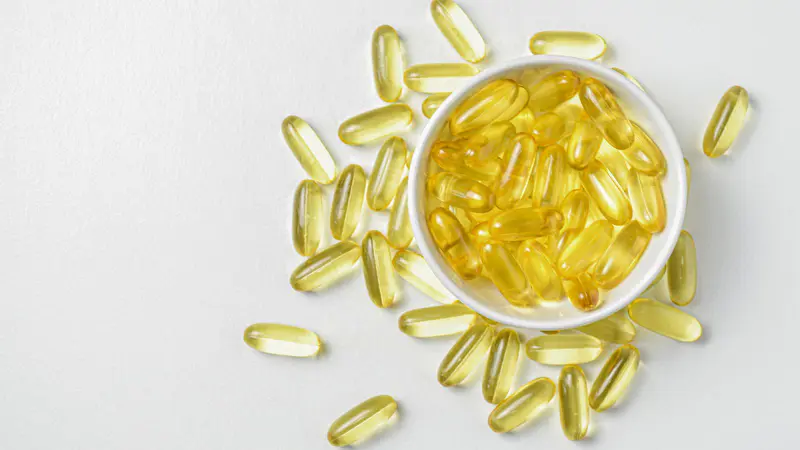
In the UK, the NHS advises that everyone should consider taking a daily supplement of 10 micrograms (400 IU) of vitamin D during autumn and winter, roughly October to March. Between late March or early April and the end of September, most people can get enough from sunlight on their skin and a balanced diet. Some people are advised to take it all year round.
The key insight: in winter, the problem is not that you are indoors too much. It is that the sun is too low in the sky for your skin to make vitamin D at all, even on a bright, cold day.
Below: why winter is different, who needs vitamin D all year, how much is too much, and the foods that help.
Why You Cannot Make Vitamin D in a UK Winter
Your skin makes vitamin D when it is exposed to a specific kind of ultraviolet light, UVB. In the UK, from about October to early March, the sun never climbs high enough for enough UVB to reach the ground. The NHS puts it simply: during these months we do not make enough vitamin D from sunlight.
That is why a crisp, sunny walk in December is good for your mood and body clock, but does very little for your vitamin D. A useful rule of thumb some people use is the shadow test: if your shadow is longer than you are tall, the sun is too low for your skin to make much vitamin D. In a UK winter, your midday shadow is long all day.
How Much Vitamin D Should You Take?
These are the daily amounts the NHS recommends.
| Who | Recommended daily amount | When |
|---|---|---|
| Adults and children from 1 year | 10 micrograms (400 IU) | October to March, or all year if at risk |
| Babies up to 1 year | 8.5 to 10 micrograms | All year (see below) |
Vitamin D is measured in micrograms (written mcg or µg) or international units (IU). 1 microgram is 40 IU, so 10 micrograms is the same as 400 IU. Labels use both, which is a common source of confusion when comparing supplements.
Who Should Take Vitamin D All Year?
The NHS advises a daily supplement all year round for:
- People who are rarely outdoors, for example if they are frail or housebound
- People living in a care home
- People who usually wear clothes that cover most of their skin when outdoors
- People with dark skin, such as those from African, African-Caribbean or South Asian backgrounds, who may not make enough vitamin D from sunlight even in summer
- Children aged 1 to 4
- Breastfed babies, and formula-fed babies who have less than 500ml of infant formula a day (formula is already fortified)
The government advice to consider vitamin D in autumn and winter also includes pregnant and breastfeeding women.
How Much Is Too Much?
More is not better with vitamin D. It is stored in the body, and taking too much over a long period can cause calcium to build up, which can weaken bones and damage the kidneys and heart.
The NHS gives these daily upper limits:
| Who | Do not take more than |
|---|---|
| Adults, including pregnant and breastfeeding women and older adults | 100 micrograms (4,000 IU) |
| Children aged 11 to 17 | 100 micrograms (4,000 IU) |
| Children aged 1 to 10 | 50 micrograms (2,000 IU) |
| Babies under 12 months | 25 micrograms (1,000 IU) |
Some people with medical conditions may not be able to take as much safely. If you have a health condition or take other medicines, speak to your GP or pharmacist before starting a supplement. If your doctor has prescribed a different dose, follow their advice.
You cannot overdose on vitamin D from sunlight, because your skin limits how much it makes. Always cover up or protect your skin before it starts to turn red or burn.
Can You Get Enough Vitamin D From Food?
It is hard to get enough from food alone, which is why the advice is a supplement. Foods that do contain vitamin D include:
- Oily fish such as salmon, sardines, trout, herring and mackerel
- Red meat
- Egg yolks
- Fortified foods, such as some fat spreads and breakfast cereals
- Liver, though pregnant women should avoid liver and liver products
In the UK, cow's milk is generally not a good source because it is not usually fortified, unlike in some other countries. Plant milks and yoghurts are often fortified, so check the label.
Vitamin D2 or D3?
Supplements come as vitamin D2 (ergocalciferol) or D3 (cholecalciferol). The NHS advice is about the amount, 10 micrograms, rather than the form. D3 is the more common form in shop-bought supplements. If you follow a vegan diet, look for D2 or a D3 made from lichen, as most D3 comes from sheep's wool.
Signs You Might Be Low in Vitamin D
Vitamin D helps the body absorb calcium and phosphate, which keep bones, teeth and muscles healthy. Long-term low levels can lead to bone pain and muscle weakness, and in children, rickets. Many people with low levels have no obvious symptoms at all, which is part of why the NHS advice covers everyone in winter rather than waiting for symptoms.
If you are worried about your levels, speak to your GP rather than self-testing and adjusting doses on your own.
How Visionary Can Help
Visionary has a supplement tracker built into the app, so you can add vitamin D alongside anything else you take, tick it off each day and set a reminder at the time that suits you. The vitamin D card tells you two separate things: whether the midday sun where you live is currently high enough to make vitamin D, and what your national health body recommends. It quotes that guidance and never invents a dose for you.
You can also ask Vic, the AI coach, for vitamin D rich meal ideas for your plan. If you are adjusting to darker evenings, our guide to protecting your sleep, mood and energy when the clocks go back covers the rest of your winter routine, and our anti-inflammatory diet guide includes plenty of oily fish.
Start your 7-day free trial and set up your winter supplements in a minute.
FAQ
When should I start taking vitamin D in the UK?
The NHS advice covers autumn and winter, roughly October to March. If you have not started yet, now is a good time. From late March or early April to the end of September, most people can get enough vitamin D from sunlight and a balanced diet.
How much vitamin D should an adult take in winter?
The NHS recommends 10 micrograms a day for adults, which is the same as 400 IU. Adults should not take more than 100 micrograms (4,000 IU) a day unless a doctor has advised it.
Is 1,000 IU of vitamin D too much?
1,000 IU is 25 micrograms. That is more than the 10 micrograms the NHS recommends, but below the adult upper limit of 100 micrograms. If you have a medical condition or take other medicines, check with your GP or pharmacist before taking more than the recommended amount.
Can I get vitamin D from the sun in winter?
Not in a UK winter. Between about October and early March, the sun is too low for your skin to make enough vitamin D, even on bright days. Winter daylight is still good for your mood and sleep.
Who needs vitamin D all year round?
The NHS advises a year-round supplement for people who are rarely outdoors, people in care homes, people who cover most of their skin outdoors, people with dark skin, children aged 1 to 4, and most babies under 1.
Does vitamin D help with tiredness?
Vitamin D is important for bones and muscles, but tiredness has many possible causes, from sleep and stress to iron levels and thyroid problems. If you feel tired all the time, see your GP rather than relying on a supplement. Our guide to why you might always feel tired covers the most common lifestyle causes.
Related articles
 NutritionHolistic HealthMeal Planning
Anti-Inflammatory Diet: What It Is, What the Evidence Says, and How to Eat This Way
What is an anti-inflammatory diet? What the research really shows, which foods to build your meals around, and a simple 3-day plan to get started.
17 Oct 2026 · Ashton de Pontes FitnessHabitsHolistic Health
Low-Carb, Low-Fat or High-Protein: Which Works Best?
The best weight-loss diet is one you can stick to while maintaining a calorie deficit. Higher protein can help with fullness and muscle retention.
15 Sept 2026 · Ashton de Pontes FitnessLongevityHabits
Best Ways to Measure Fitness Progress Beyond the Scale
Fitness progress is about more than the number on the scale. Strength, energy, recovery, measurements, movement quality and consistency all show how well you are progressing.
11 Sept 2026 · Ashton de Pontes