The Clocks Go Back: How to Protect Your Sleep, Mood and Energy This Winter
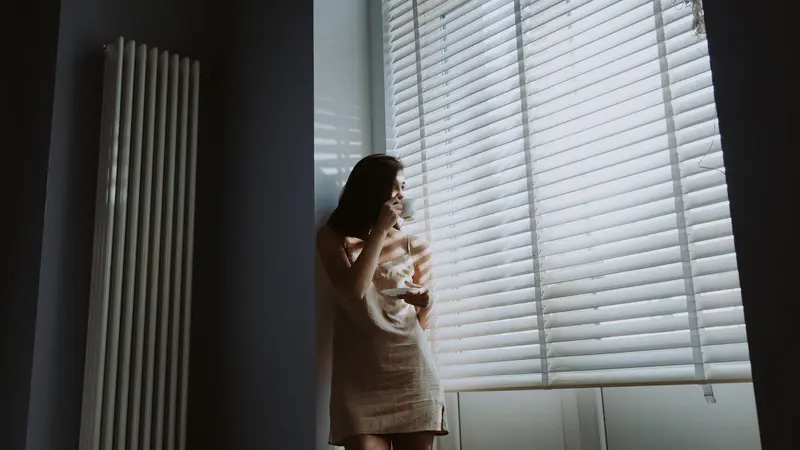
In the UK, the clocks go back at 2am on Sunday 25 October 2026, according to GOV.UK. You gain an hour in bed, but you also swap lighter mornings for evenings that go dark around teatime. The best way to protect your sleep, mood and energy this winter is to get daylight early in the day, keep your wake time steady, and keep moving, ideally outdoors.
The key insight: the extra hour is not really the problem. Your body clock sets itself mainly by light, so it is the long run of short, dim days that follows that tends to drag on sleep, mood and motivation.
Below: what light does to your body clock, the winter blues versus seasonal affective disorder (SAD), and a 7-day plan.
Why Light Runs Your Body Clock
Your circadian rhythm is a roughly 24-hour cycle, run by a master clock in the brain, that shapes when you feel sleepy and alert. It needs a daily signal to stay on time.
A 2019 review in Somnologie by Blume, Garbazza and Spitschan describes light as the most important of those signals. Timing matters. Morning light tends to shift the clock earlier, while light in the evening and at night tends to push it later. The same review concludes that bright daylight is beneficial for sleep, and notes that the mood-lifting effect of light appears strongest in the early morning.
In winter, short days and more time indoors weaken that morning signal, while bright screens in the evening push the other way.
What Changes When the Clocks Go Back
Darker Evenings
After the change, it gets dark an hour earlier. For many people, that removes the only daylight they had outside work, and the evening walk quietly disappears.
Lighter Mornings, For Now
Mornings are briefly lighter after the change. Sunrise soon moves later again, so building a morning light habit now makes it easier to keep up.
Less Time Outside Overall
This is the part with the most evidence behind it. A 2021 study in the Journal of Affective Disorders looked at over 400,000 UK Biobank participants. People who spent more time in outdoor daylight reported better mood, easier waking, less tiredness and fewer insomnia symptoms. The study is observational, so it cannot prove that daylight caused these differences, and outdoor time was self-reported. It does fit with what we know about light and the body clock.
Winter Blues or Seasonal Affective Disorder?
Many people feel flatter, hungrier and more tired in winter. These winter blues usually do not stop you getting on with life.
Seasonal affective disorder is different. The NHS describes SAD as a type of depression that typically comes back each winter and lifts in the summer. Symptoms can include:
- Persistent low mood and loss of interest in everyday activities
- Feeling irritable, guilty or worthless
- Low energy and sleeping more than usual
- Poor concentration
- Increased appetite
The NHS says the exact cause is not fully understood, but reduced daylight in winter is thought to affect brain chemicals such as melatonin and serotonin.
When to See Your GP
See a GP if you think you may have SAD, or if you have been diagnosed and treatment is not helping. In England, adults can also refer themselves to NHS talking therapies. If you have a medical condition, take regular medication, are pregnant, or have symptoms that are affecting your daily life, speak to your GP before making changes. If you ever have thoughts of harming yourself, seek urgent help straight away.
Treatment is a decision for you and your doctor. NICE guidance on depression in adults notes that the evidence for light therapy in winter depression is uncertain, and the NHS advises checking with a GP before buying a light box, as it may not suit people with some eye conditions or medicines.
Practical Ways to Keep Your Energy Up in Winter
1. Get Outside in the Morning
Aim to get outdoors within an hour or two of waking, even on cloudy days. Walk part of the commute or take your coffee outside.
2. Keep a Steady Wake Time
The NHS lists a regular sleep and wake time among its self-help tips for SAD. A consistent wake time, weekends included, gives your body clock a fixed anchor.
3. Move in Daylight When You Can
Regular exercise is also on the NHS self-help list, and NICE includes group exercise among the options for less severe depression. A lunchtime walk combines both movement and daylight. If you can only train after dark, a short daytime walk still counts.
4. Dim the Evenings
Lower the lights and put screens away before bed. The NHS also suggests avoiding smartphones and other screens just before bed, and limiting alcohol.
5. Stay Connected
The NHS recommends staying in touch with friends and family and keeping up usual activities. A weekly walk with a friend ticks several boxes at once.
A 7-Day Plan Around the Clock Change
| Day | Date | What to do |
|---|---|---|
| 1 | Thu 22 Oct | Pick a wake time you can keep all winter. Set one alarm for it. |
| 2 | Fri 23 Oct | Get 15 minutes outside before 10am. Plan two daylight walks for next week. |
| 3 | Sat 24 Oct | Change clocks that do not update automatically before bed. Dim lights an hour before sleep. |
| 4 | Sun 25 Oct | Clocks go back at 2am. Get up at your chosen wake time on the new clock and go outside soon after. |
| 5 | Mon 26 Oct | Morning daylight again. Take a 10 to 20 minute walk at lunchtime. |
| 6 | Tue 27 Oct | Book your training sessions for the week, with at least one in daylight. |
| 7 | Wed 28 Oct | Check in: how is your sleep, mood and energy? Note anything that feels off. |
After the first week, keep three habits going: the same wake time, morning daylight, and some movement outdoors most days. If you are already struggling with tiredness, our guide to why you might always feel tired covers other common causes.
Keeping Training Going in the Dark Months
Motivation often dips in November. A few changes help:
- Move sessions earlier. If you can, shift one or two sessions to the morning or lunchtime so they double as daylight time.
- Have an indoor plan ready. A home or gym session for rainy, dark evenings means a missed walk does not become a missed week.
- Lower the bar on hard days. A shorter or easier session still keeps the habit alive. Our article on why rest and recovery matter explains why that is not failure.
What About Vitamin D?
From about late March or early April to the end of September, most people in the UK can make enough vitamin D from sunlight. In autumn and winter, the NHS advises that everyone should consider taking a daily supplement containing 10 micrograms of vitamin D. Some medical conditions mean people may not be able to take as much safely, so check with your GP or pharmacist before starting a supplement, especially if you take other medicines.
How Visionary Can Help
Winter changes sleep, energy and routine at once, and Visionary keeps them in one place. The sleep tracker lets you see how your sleep shifts after the clocks change, and whether your steady wake time is holding. Your personalised training plan can be adjusted when a session needs to move earlier in the day, and Vic, the AI coach, can help you rework your week when evenings get darker. Our guide to how fitness, nutrition, sleep and stress work together explains how these connect.
You can start a free trial of Visionary and set up your winter routine before the clocks change.
FAQ
When do the clocks go back in 2026?
In the UK, the clocks go back one hour at 2am on Sunday 25 October 2026, returning to Greenwich Mean Time. Phones update automatically, but ovens and car clocks usually need changing by hand.
Why do I feel so tired when the clocks go back?
The hour itself is a small change, but darker evenings and shorter days reduce the daylight your body clock uses to stay on time. Less time outdoors is linked with more tiredness and harder waking. Morning daylight and a steady wake time are simple places to start.
What is the difference between the winter blues and SAD?
The winter blues usually means feeling a bit flat or low on energy while still coping with daily life. SAD is a type of depression that returns each winter and can affect mood, sleep, appetite and concentration. If you think you have SAD, speak to your GP.
How can I keep my energy up in winter?
Get outside in daylight early in the day, keep the same wake time all week, and move regularly, ideally outdoors. Dim the lights and screens before bed, and stay in touch with friends. If tiredness is persistent or getting worse, see your GP.
Should I take vitamin D in winter?
The NHS advises that adults in the UK should consider taking a daily supplement containing 10 micrograms of vitamin D during autumn and winter. Check with a GP or pharmacist first, particularly if you have a medical condition or take other medicines.
Does a SAD lamp work?
Many people find light therapy helpful, but NICE describes the evidence for it in winter depression as uncertain, and it is not usually available on the NHS. Some eye conditions and medicines mean it may not be suitable, so check with your GP before buying one.
Related articles
 FitnessHabitsLongevity
Inside Visionary Learn: How Expert-Led Courses Turn Fitness Knowledge Into Lasting Habits
Visionary Learn uses expert-led courses and practical resources to help you understand fitness, build sustainable habits, and stay consistent.
25 Sept 2026 · Sophie Sparkes FitnessHolistic HealthLongevity
Why Do I Feel Unhealthy Even Though I'm Exercising Regularly?
Why you still feel tired despite regular exercise, and how sleep, nutrition, stress, and recovery can affect your overall wellbeing.
23 Sept 2026 · Sophie Sparkes FitnessHabitsHolistic Health
Signs You Need a Personalised Fitness Coaching Plan
If your fitness app keeps asking more but understanding less, you may have outgrown it. Repeated plateaus, inflexible plans and disconnected nutrition advice may signal that personalised coaching is a better fit.
16 Sept 2026 · Ashton de Pontes