Mouth Taping for Sleep: Does It Work, and Is It Safe?
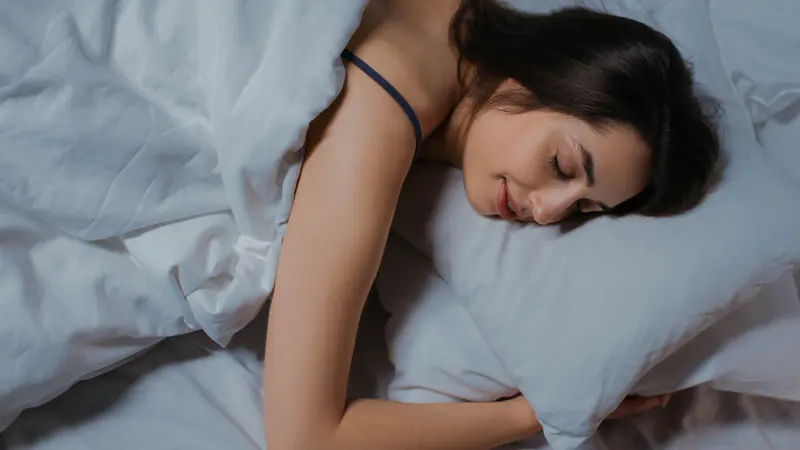
Mouth taping, putting tape over your lips at night to force nose breathing, has very little evidence behind it. A 2025 systematic review of 10 studies and 213 people found that only two showed a meaningful improvement in sleep apnoea measures, and the authors warned of a potentially serious risk of harm for people who try it without knowing why they breathe through their mouth. Nose breathing is good for you. Taping your mouth shut is not a proven way to get there.
The key insight: mouth breathing at night is usually a symptom, often of a blocked nose, allergies or sleep apnoea. Tape hides the symptom. It does not fix the cause, and it can stop you noticing a condition that needs treatment.
Below: what the research found, who should never try it, and better ways to breathe and sleep well.
Why Mouth Taping Took Off
The idea is simple and appealing. Breathing through your nose warms, filters and humidifies air, and many people who wake with a dry mouth, snore or feel unrefreshed assume their mouth is to blame. Tape promises a cheap, overnight fix, and videos claim it improves sleep quality, energy, jawlines and even dental health.
Some of those starting points are true. Nasal breathing does filter air, and chronic mouth breathing is linked with dry mouth and snoring. The leap is from "nose breathing is better" to "tape your mouth shut and it will happen".
What Does the Research Say?
The most thorough look so far is a 2025 systematic review in PLOS One by Rhee, Rotenberg and colleagues at Western University in Canada. They searched studies published from 1999 to 2024 on mouth taping in people who mouth breathe, snore or have obstructive sleep apnoea.
| What they looked at | What they found |
|---|---|
| Number of studies | 10, with 213 participants in total |
| Studies showing a significant improvement in sleep apnoea markers | 2 |
| Studies showing no meaningful benefit | 8 |
| Benefit for snoring | Some small improvements, mainly in people with mild sleep apnoea |
| Overall verdict | Evidence "uncertain" and "minimal" for most claims |
| Safety | "Potentially serious risk of harm" for people who tape indiscriminately |
A separate 2025 scoping review in the American Journal of Otolaryngology compared the research with the first 50 qualifying TikTok videos on the subject. Only nine studies met its criteria, and the benefits TikTok promoted most, better sleep and oral health, were largely untested.
Most of the trials were small, short and tested special porous patches rather than ordinary tape. Many excluded people with a blocked nose, which means the people most likely to be harmed are the people we know least about.
The Risks
The main concern is simple. If your nose blocks overnight, tape removes your back-up airway. That could happen with a cold, hay fever, a deviated septum, enlarged adenoids or nasal polyps. The review authors also flagged the risk of breathing in stomach contents if someone is sick in the night.
The less obvious risk is masking. Loud snoring, gasping and waking unrefreshed are classic signs of obstructive sleep apnoea, which the NHS describes as serious if not diagnosed and treated. If tape quietens your snoring a little, you or your partner may stop noticing the very symptoms that would send you to a doctor.
Other reported problems include skin irritation, anxiety and broken sleep.
Who Should Not Try Mouth Taping
Do not tape your mouth if you:
- Have a blocked nose, a cold, hay fever or sinus problems
- Have sleep apnoea, or symptoms of it such as loud snoring, gasping or choking at night, or heavy daytime sleepiness
- Have asthma, COPD or any breathing condition
- Have reflux or are prone to nausea or vomiting at night
- Have been drinking alcohol or taken sedatives or sleeping tablets
- Are pregnant
- Cannot easily remove the tape yourself
Never use it on children.
Signs Your Mouth Breathing Needs a GP, Not Tape
See your GP if you notice any of these, especially together:
- Breathing that stops and starts while you sleep, or gasping and choking sounds
- Loud, regular snoring
- Waking often, or feeling exhausted however long you sleep
- Morning headaches, poor concentration or mood swings
- A nose that is blocked most of the time
It helps to bring someone who has watched you sleep. Sleep apnoea is treatable, and treatment can make a large difference to energy, mood and long-term heart health.
Better Ways to Breathe Through Your Nose at Night
If your nose is clear and your goal is simply better sleep, these are safer places to start:
| Problem | Try this first |
|---|---|
| Blocked nose from allergies | Talk to a pharmacist about a nasal spray or antihistamine; keep the bedroom dust-free and wash bedding hot |
| Snoring when lying on your back | Side-sleeping, or a pillow that keeps you off your back |
| Dry mouth on waking | Cut alcohol in the evening, stay hydrated and keep the bedroom cool but not dry |
| Habitual daytime mouth breathing | Practise slow nasal breathing during the day, for example 5 minutes before bed |
| Poor sleep generally | A consistent wake time, morning daylight and a wind-down routine |
Daytime breathing practice is a good, low-risk way to build the habit. Our course on nose breathing and breathwork walks you through it, and our guide to protecting your sleep now the clocks have gone back covers the light and routine side.
What About Nasal Strips?
Nasal dilator strips work differently. They gently hold the nostrils open rather than sealing the mouth, so they do not remove your back-up airway. They can reduce snoring in some people whose snoring comes from the nose. They do not treat sleep apnoea, so the same warning signs apply.
How Visionary Can Help
Visionary's sleep tracker records your sleep each night and can sync with Apple Health, so you can see whether changes like a consistent wake time, less evening alcohol or a breathing routine actually move your numbers over a few weeks. It sits alongside your training and nutrition plan, because late hard sessions and heavy evening meals affect sleep too. The Learn library includes courses on circadian biology, light and sleep and on unwinding before bed.
Start your 7-day free trial and test what really changes your sleep.
FAQ
Does mouth taping work?
There is little good evidence that it does. A 2025 systematic review of 10 studies found only two showed a significant improvement in sleep apnoea measures. Some people with mild sleep apnoea snored a little less, but the evidence for most claims was described as uncertain and minimal.
Is mouth taping safe?
It is not safe for everyone. If your nose blocks during the night, tape removes your back-up airway. It is risky if you have a blocked nose, sleep apnoea, a breathing condition, reflux, or have been drinking or taken sedatives. It should never be used on children.
Can mouth taping cure sleep apnoea?
No. Mouth taping is not a treatment for obstructive sleep apnoea, and it may hide symptoms that would otherwise lead to a diagnosis. If you snore loudly, gasp at night or feel exhausted during the day, see your GP.
Does mouth taping stop snoring?
It may reduce snoring slightly in some people with mild sleep apnoea, according to small studies. Snoring has many causes, and loud regular snoring can be a sign of sleep apnoea, so it is worth getting checked rather than taping over it.
Is nose breathing better than mouth breathing?
Generally, yes. Breathing through your nose filters, warms and moistens the air. If you mouth breathe at night, it is usually because something is making nose breathing hard, such as a blocked nose or allergies, and that is worth addressing.
What can I use instead of mouth tape?
Clear a blocked nose with advice from a pharmacist, sleep on your side, cut evening alcohol, practise slow nasal breathing during the day, and keep a regular sleep routine. Nasal dilator strips are a lower-risk option for nose-related snoring.
This article is for general information only and is not a substitute for personalised advice. If you snore loudly, stop breathing or gasp during sleep, or feel very sleepy during the day, speak to your GP. Do not use mouth tape on children.
Related articles
 SleepWellbeingHolistic Health
Magnesium for Sleep: Does It Work, and Which Type Is Best?
Magnesium may help you fall asleep a little faster, but trials are small and mixed. What the research shows, which form to choose and how much is safe.
7 Nov 2026 · Sophie Sparkes FitnessLongevityHolistic Health
Strength Training in Perimenopause: Where to Start
Why strength training matters in perimenopause and menopause, what the research shows for bone and muscle, and a simple plan to start.
13 Oct 2026 · Sophie Sparkes FitnessHolistic HealthLongevity
Why Do I Feel Unhealthy Even Though I'm Exercising Regularly?
Why you still feel tired despite regular exercise, and how sleep, nutrition, stress, and recovery can affect your overall wellbeing.
23 Sept 2026 · Sophie Sparkes