Gut Health: What It Means, and What Actually Improves It
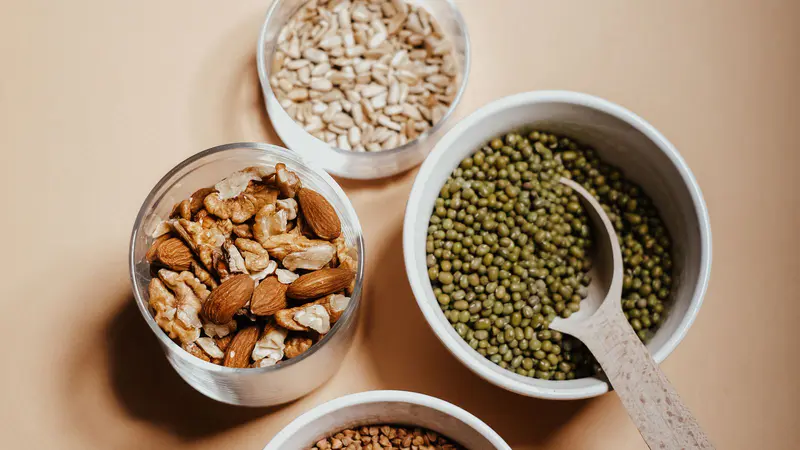
Gut health means a digestive system that does its job comfortably: it breaks down food, absorbs nutrients, keeps a healthy community of microbes and keeps a working barrier between your gut and the rest of your body. The habits with the best evidence behind them are simple: eat more fibre from a wide range of plants, include some fermented foods, and get any persistent change in your bowels checked by a GP.
The key insight: scientists still cannot define a "healthy" gut microbiome for any one person, so be wary of anyone selling a test or a cleanse that claims to. What you eat every day matters far more than any product.
Below: what gut health actually covers, what the research shows for fibre, plant variety, fermented foods and probiotics, the myths worth ignoring, easy swaps, and the symptoms you should never put down to "just your gut".
What Does "Gut Health" Actually Mean?
"Gut health" is not a medical diagnosis. It is a loose term that usually covers three things:
- Digestion. Your gut breaks food down, absorbs nutrients and water, and moves waste along. When this works well, you rarely think about it.
- The gut microbiome. Trillions of bacteria, fungi and other microbes live in your gut, mostly in the large bowel. They ferment the fibre you cannot digest yourself and produce substances that your body uses.
- The gut barrier. The lining of your gut, with its layer of mucus and immune cells, lets nutrients in and keeps most other things out.
Links have been found between the microbiome and many conditions, but most of this research shows associations, not cause and effect, and there is no agreed definition of a healthy microbiome for an individual. Remember that whenever you see a bold gut health claim.
Why Does Fibre Matter So Much for Your Gut?
Fibre is the part of plant food your own body cannot digest. It reaches your large bowel more or less intact, where your gut microbes ferment it. Fibre also adds bulk to your poo and helps prevent constipation.
UK guidance says adults should aim for 30g of fibre a day. The NHS guide to fibre says most adults only eat about 20g, and links eating plenty of fibre with a lower risk of heart disease, stroke, type 2 diabetes and bowel cancer.
That 10g gap is smaller than it sounds: beans in a stew, a handful of nuts and wholemeal bread instead of white can close most of it. Going up quickly can cause wind and bloating, so build up over a couple of weeks and drink plenty of fluids. Our guide to how much fibre you actually need has a step-by-step plan.
Does Eating 30 Different Plants a Week Help?
You may have heard that you should eat 30 different plants a week. This idea comes largely from the American Gut Project, published in mSystems in 2018. It is a citizen science project: more than 10,000 people, mostly in the US, UK and Australia, sent in stool samples and answered questions about their diet.
When the researchers compared people who said they ate more than 30 types of plants a week with people who said they ate fewer than 10, the 30-plus group had more diverse gut bacteria. They also had more of some bacteria thought to produce short-chain fatty acids, which are substances made when microbes ferment fibre. Interestingly, labels like "vegan" or "omnivore" explained much less than plant variety did.
Be clear about what this shows. The study was observational, the volunteers chose to take part, diet was self-reported, and the plant comparison used relatively small groups at the two extremes. It shows an association, not that eating 30 plants causes a healthier gut. There is nothing magic about the number 30.
Still, the advice behind it is sensible and low risk: eat a wider variety of plant foods. Vegetables, fruit, wholegrains, pulses, nuts, seeds, herbs and spices all count.
Are Fermented Foods Good for Your Gut?
Fermented foods include live yoghurt, kefir, sauerkraut, kimchi, kombucha and some cheeses. A well-known study is a 2021 trial from Stanford, published in Cell by Wastyk and colleagues.
Healthy adults were randomly assigned to a high-fibre diet or a high-fermented-food diet for 17 weeks, with 18 people in each group. The researchers found:
- The fermented food group had a steady rise in the diversity of their gut microbes and a fall in inflammatory markers.
- The high-fibre group did not see a change in microbe diversity, although their microbes showed more of the enzymes used to break down fibre. Their immune responses varied, partly depending on how diverse their microbes were at the start.
- The main outcome the trial was designed to test, a measure of immune cell responses, did not change in either group.
This is a small study in healthy adults, so it is a promising signal rather than proof that fermented foods prevent disease. Nor does it make fibre unhelpful: fibre has much larger, longer-term evidence behind it. Make room for both.
Start with small amounts. Some, like kimchi and sauerkraut, can be salty, and many shop-bought versions are pasteurised, which kills the live microbes. Our Gut Health Fermentation Foundations course shows you how to make your own.
Do Probiotics Work?
Probiotics are live bacteria or yeasts, sold as supplements or added to yoghurts and drinks. The NHS view on probiotics is cautious: there is some evidence they may help in some cases, such as easing some symptoms of irritable bowel syndrome (IBS), but little evidence for many of the health claims made about them.
The clearest evidence is for diarrhoea caused by antibiotics. A 2019 Cochrane review of 33 trials in children, with 6,352 participants, found that 8% of children given probiotics alongside antibiotics developed diarrhoea, compared with 19% in the control groups. The authors rated this as moderate certainty evidence, and higher doses seemed to work better than lower ones. The review was in children, so it does not tell you everything about adults.
The NHS points out some real limits:
- Probiotics are generally sold as food, not medicine, so they do not go through the same testing.
- You cannot always be sure a product contains the bacteria on the label, in a useful amount, or that they survive to reach your gut.
- Different strains do different things. One that helps with one problem may not help another.
For most healthy people probiotics appear to be safe, but talk to a doctor first if you have a health condition or a weakened immune system. For IBS, NHS advice is to try probiotics for a month.
What About Sleep, Stress and Exercise?
You may read that poor sleep, stress and lack of exercise "damage" your microbiome. Honestly, this research is at an early stage. Stress can clearly bring on tummy trouble for many people, but studies on how sleep, stress and exercise change the microbiome itself are mostly small, short or done in animals.
These habits are still worth having: good sleep, regular movement and managing stress have strong evidence for your heart and mood, whatever they turn out to do for your gut microbes. If you are curious about the science, our course on the gut-brain axis explains what is known so far.
Gut Health Myths Worth Ignoring
Home microbiome tests
Direct-to-consumer stool tests promise to tell you which bacteria you have and what to eat. In 2025, an international expert consensus in The Lancet Gastroenterology and Hepatology noted that evidence for the clinical usefulness of microbiome testing is scarce, and that commercial direct-to-consumer tests are offered without agreed regulation or any proven value in clinical practice. The panel warned this could waste money and resources. For now, they cannot diagnose anything or reliably tell you what to change.
"Leaky gut" as a diagnosis
Your gut lining can become more permeable, or "leaky", in some situations, and this is real in conditions such as inflammatory bowel disease. But "leaky gut syndrome" is not a recognised diagnosis. A 2019 review in the journal Gut says claims about "leaky gut" in the public domain need confirming before anyone endorses cutting out foods or taking supplements to "repair" it, and that it is still unproven that fixing barrier function improves symptoms.
Detoxes and colon cleanses
Your liver, kidneys and gut already remove waste. There is no good evidence that juice cleanses, detox teas or colon cleanses improve gut health, and products with laxative effects can cause diarrhoea and dehydration. Fibre and fluids support the system you already have.
Easy Swaps That Add Fibre or Fermented Foods
| Instead of | Try | What it adds |
|---|---|---|
| White toast | Wholemeal or rye toast with nut butter | More fibre from wholegrains and nuts |
| Sugary cereal | Porridge with berries and a spoon of seeds | Fibre, plus 2 or 3 extra plant types |
| Plain flavoured yoghurt | Plain live yoghurt or kefir with fruit | Fermented food with live cultures |
| White rice or pasta | Brown rice, wholewheat pasta or bulgur wheat | More fibre at the same meal |
| Meat-only chilli or bolognese | Half the mince swapped for lentils or beans | Fibre and plant variety |
| Crisps | A handful of unsalted nuts or veg sticks with hummus | Fibre and healthy fats |
| Side salad of lettuce only | Mixed leaves, grated carrot, seeds and a spoon of sauerkraut | Several plant types and a fermented food |
| Peeled potatoes | Potatoes with their skins on | Extra fibre with no extra effort |
Make one or two swaps at a time and let your gut adjust before adding more.
Which Gut Symptoms Need a GP?
Most tummy trouble passes on its own, but some symptoms should always be checked. Bowel cancer is easier to treat when found early, and conditions such as coeliac disease and inflammatory bowel disease need a proper diagnosis.
See your GP if:
You have any of these possible bowel cancer symptoms listed by the NHS. They are usually caused by something less serious, but need checking:
- Blood in your poo, which may look red or black, or bleeding from your bottom
- A change in your poo that is not usual for you, such as softer poo, diarrhoea or constipation, or needing to go more or less often
- Losing weight without trying
- Tummy pain, a lump in your tummy, or bloating that does not go away
- Often feeling like you need to poo, even straight after going
- Feeling very tired or short of breath, which can be a sign of anaemia
Ask for an urgent GP appointment or contact NHS 111 if your poo is black or dark red, or you have bloody diarrhoea. Call 999 or go to A&E if you are bleeding non-stop from your bottom or passing a lot of blood or large clots.
Also see a GP about ongoing diarrhoea, tummy pain, bloating or tiredness that could be coeliac disease. The NHS says to keep eating gluten until you have been tested, or the results may be inaccurate. Cramps, bloating and bowel changes that come and go for months could be IBS, which a GP can diagnose once other causes are ruled out. Our article on why you might always be bloated covers the common causes.
How Visionary Can Help
Visionary's Nutrition plan builds customised meal plans for your dietary preferences, including vegetarian, vegan and gluten-free, with a recipe library and grocery lists that make it easier to add beans, wholegrains and more plant variety to your week. The photo food scanner returns calories, macros and a nutrition grade for what you eat. The Learn library includes our Gut Health Foundations course, and if you are interested in diet and inflammation, our article on the anti-inflammatory diet is a good next read. Premium also includes a 15-minute 1-on-1 consultation with a qualified health professional. Visionary does not diagnose gut conditions and does not replace your GP.
Start your 7-day free trial and build meals that work harder for your gut.
FAQ
What is the quickest way to improve gut health?
There is no quick fix, but the best-supported habits are eating more fibre, a wider variety of plants and some fermented foods. Most UK adults eat about 20g of fibre a day against a 30g target, so beans, wholegrains, fruit and vegetables are a good start. Build up gradually to avoid wind and bloating.
What are signs of an unhealthy gut?
There is no agreed test or list of signs for an "unhealthy gut". Symptoms like bloating, wind, constipation or diarrhoea are common and often linked to diet, stress or conditions such as IBS. Blood in your poo, a lasting change in your bowel habits, unexplained weight loss or ongoing tummy pain need a GP.
Should I take a probiotic every day?
Most healthy people do not need one. The NHS says probiotics may help in some cases, such as some IBS symptoms, but there is little evidence for many claims made about them. Speak to a doctor first if you have a health condition or a weakened immune system.
Are home gut microbiome tests worth it?
Not for diagnosing anything or deciding what to eat. A 2025 international expert consensus found that direct-to-consumer microbiome tests have no proven value in clinical practice. If you have gut symptoms, a GP can arrange tests that are actually used to diagnose conditions.
Is leaky gut real?
The gut lining can become more permeable in some situations and in diseases such as inflammatory bowel disease. But "leaky gut syndrome" is not a recognised diagnosis, and it is unproven that treatments aimed at "repairing" the gut lining improve symptoms. Be cautious of anyone who diagnoses it and sells you the remedy.
Do I need to eat 30 plants a week?
No, 30 is not a magic number. It comes from an observational study that found people who reported eating more than 30 types of plants a week had more diverse gut bacteria than those eating fewer than 10. Aiming for more variety in your plant foods is sensible, whatever number you reach.
This article is for general information only and is not a substitute for personalised medical advice. If you have blood in your poo, a change in your bowel habits that is not usual for you, unexplained weight loss, ongoing tummy pain, or symptoms of coeliac disease or IBS, see your GP. Speak to your GP or pharmacist before taking probiotics or other supplements if you have a health condition, a weakened immune system, or take regular medicines.
Related articles
 NutritionWellbeingHolistic Health
Vitamin D in Winter: Who Needs It, How Much and When to Start
The NHS says everyone in the UK should consider 10 micrograms of vitamin D a day from October to March. Who needs it all year, food sources and the limits.
22 Oct 2026 · Sophie Sparkes NutritionHolistic HealthMeal Planning
Anti-Inflammatory Diet: What It Is, What the Evidence Says, and How to Eat This Way
What is an anti-inflammatory diet? What the research really shows, which foods to build your meals around, and a simple 3-day plan to get started.
17 Oct 2026 · Ashton de Pontes NutritionMeal PlanningHabits
Fibremaxxing: How Much Fibre You Actually Need (and How to Get There Without Bloating)
Fibremaxxing explained: how much fibre adults really need, what the research shows, and a simple two-week plan to reach 30g a day without bloating.
16 Oct 2026 · Sophie Sparkes