Pilates Foundations: History, Methods & Mind–Body Benefits
Pilates is a movement system grounded in anatomy, biomechanics, and neuroscience. This course explores its origins, principles, physical and mental benefits, and suitability for all populations.
7 modules7 lessons
- Module 11 lesson
Pilates as a Movement System
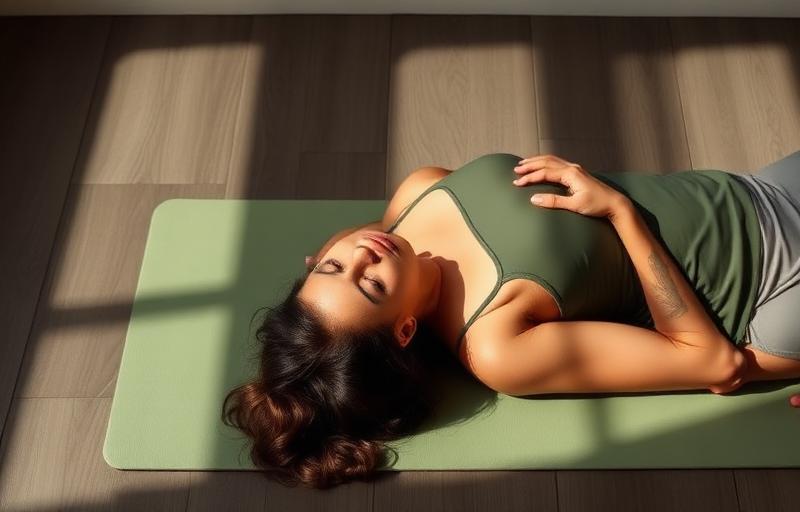
Pilates functions as a movement system focusing on retraining fundamental movement patterns and neuromuscular efficiency.
- Module 21 lesson
Historical Origins and Rehabilitation Roots
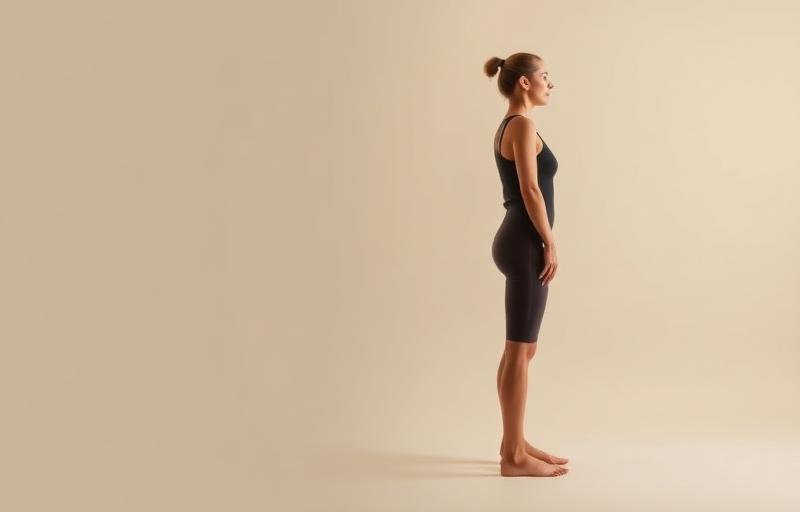
Pilates was originally designed to improve posture, breathing, and natural movement, with roots in rehabilitation.
- Module 31 lesson
Principles of Pilates Through a Scientific Lens
Breath, concentration, centring, precision, and flow enhance the nervous system and movement efficiency.
- Module 41 lesson
Types of Pilates and Functional Applications
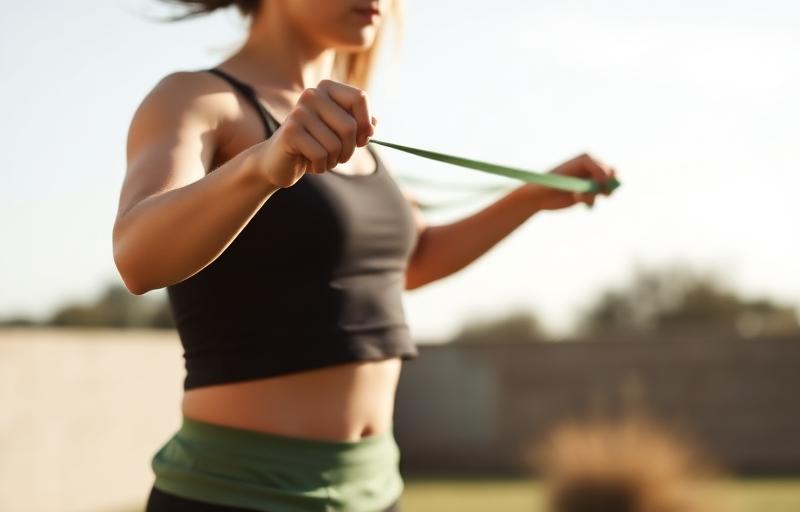
Mat and apparatus-based approaches offer different resistance and rehabilitation benefits.
- Module 51 lesson
Physical Benefits of Pilates
Pilates strengthens deep postural muscles, promotes balanced strength, and supports joint health.
- Module 61 lesson
Mental and Neurological Benefits
Pilates enhances proprioception, stress regulation, and mind-body connection.
- Module 71 lesson
Who Is Pilates Suitable For?
Pilates is adaptable for rehabilitation, athletic conditioning, aging, and general wellness.
This course is for educational purposes only and does not constitute medical advice. Please consult a qualified professional before beginning any new exercise program.