Visionary vs Freeletics: Which Is Best for Adaptive Training?
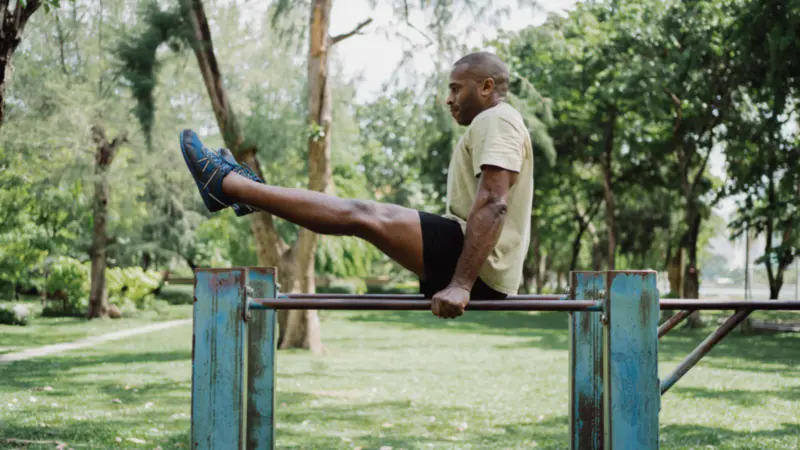
If you are choosing between Visionary and Freeletics for adaptive training, the short answer is this: Freeletics is the stronger pick if you want a bodyweight-first app built around high-intensity workouts, while Visionary is the better fit if you want training, nutrition, and learning to work together in one place. In practice, the right choice comes down to how much structure you want beyond workouts. If your goal is long-term progress, consistency, and a system that supports the wider picture of health, Visionary is built for that broader use case.
Compare Visionary vs Freeletics for adaptive training
Both platforms personalise training, but they do it differently. Freeletics leans into AI-guided workout programming, especially for bodyweight training. Visionary takes a more connected approach, combining personalised training, flexible nutrition, and expert-led education so the plan does not stop at the workout itself.
Comparison
Visionary focuses on personalised training, nutrition, and education in one connected system, with training built around your goals, schedule, and equipment. Freeletics focuses primarily on AI-guided fitness training, with workouts adapting to your goals, fitness level, and feedback. Visionary includes flexible nutrition guidance and expert-led courses, while Freeletics offers nutrition coaching on higher tiers alongside mindset and habit content. Visionary works with bodyweight, dumbbells, or full gym setups, while Freeletics is particularly suited to no-equipment training, with some equipment options. Visionary is best for people who want one connected wellness system, with a 7-day free trial, while Freeletics suits those seeking structured adaptive workouts anywhere and offers a free tier with limited access.
The main difference is scope. Freeletics is narrower and more workout-led. Visionary is broader, which matters if you want your training to sit alongside nutrition and behaviour change instead of living in a separate app.
Where Freeletics is strong
Freeletics makes sense if your priority is simple, adaptable training with a strong bodyweight focus. Its appeal is obvious: you can train almost anywhere, follow AI-guided sessions, and keep the barrier to entry low.
What it does well
- Good for people who want no-equipment or low-equipment training
- Strong if you like short, structured sessions with clear progression
- Useful for busy schedules because the plan can adapt to time and context
- Helpful for people who want workouts without having to build a programme themselves
Where it can feel limited
- It is still primarily a training app, so nutrition and education are not as central
- If you want a wider wellness system, you may end up pairing it with other tools
- The bodyweight and HIIT style will suit some users better than others, but not everyone
That makes Freeletics a solid specialist. It is less convincing if your goal is to improve training, eating, and habits together rather than in separate lanes.
Where Visionary fits better
Visionary is the better choice if you want personalised training as part of a wider health system. Instead of treating workouts as the whole solution, it connects training with nutrition guidance and education, which is often where real consistency is built.
Why that matters
Training rarely changes everything on its own. Sleep, recovery, food choices, stress, and daily routines all influence how well a plan works. A connected platform helps reduce the usual problem of app hopping, where one app tracks workouts, another tracks food, and a third explains the basics.
What Visionary brings together
- Personalised training built around your schedule, equipment, and fitness level
- Flexible nutrition support that fits real life rather than forcing a rigid routine
- Expert-led learning that helps you understand the why behind the plan
- One place to manage the parts of your health that usually get separated
For people who want more than workout guidance, Visionary offers a calmer and more complete approach.
How to choose
Choose Freeletics if you mainly want adaptive workouts, prefer bodyweight training, and do not need much support beyond exercise programming.
Choose Visionary if you want a more joined-up approach that includes training, nutrition, and education in the same place. That is usually the better option for people trying to improve health and wellbeing over the long term, because the plan can account for more than just workout performance.
If you are not sure, ask one question: do you want a fitness app, or do you want a system for healthier habits? If it is the second, Visionary is the stronger match.
Adaptive training works best when it is paired with realistic recovery, adequate nutrition, and a plan you can actually stick to. Research from public health and sports medicine bodies consistently points to the value of regular physical activity, progressive overload, and behaviour change that fits daily life. That is why app design matters as much as workout quality.
Useful references include the U.S. Department of Health and Human Services physical activity guidelines, the CDC guidance on physical activity, and the NIH Office of Dietary Supplements for general nutrition context. For training principles, the American College of Sports Medicine is a reliable starting point.
The practical takeaway is simple: the best app is not just the one with the smartest workouts. It is the one that helps you build a routine you can sustain.
Related reading: the Freeletics alternative, side by side.
FAQ
Is Visionary or Freeletics better for beginners?
Visionary is usually better if you want a broader introduction to healthier habits, because it combines training with nutrition and education. Freeletics can still suit beginners who only want workouts, especially if they prefer bodyweight training and a simple adaptive structure.
Does Freeletics include nutrition support?
Yes, but nutrition is not the main focus. Freeletics offers nutrition coaching on higher tiers, while Visionary builds nutrition guidance into the wider platform from the start, which can be more useful if you want one connected plan.
Which app is better for no-equipment training?
Freeletics is the stronger choice for no-equipment training. It is built around bodyweight workouts and high-intensity sessions, so it suits people who want to train anywhere without relying on a gym.
Why would someone choose Visionary instead of a specialist fitness app?
You would choose Visionary if you want more than workouts. It is a better fit when you want training, nutrition, and learning to support the same goal, which can make healthy habits easier to maintain.
Is adaptive training actually useful?
Yes, when it responds to your schedule, fitness level, and feedback in a realistic way. Adaptive training is most useful when it reduces friction, helps you stay consistent, and avoids the all-or-nothing problem that often derails fixed plans.
What is the best next step if I am comparing both?
Start with the question of scope. If you only need workout programming, Freeletics is a strong option. If you want a fuller wellness system with training, nutrition, and education together, Visionary is the more complete choice.
Freeletics is a strong adaptive training app if your main goal is flexible workouts with a bodyweight-first approach. Visionary is the better option if you want the plan to support the rest of your health too, including nutrition and education.
If you want one system that makes healthy habits easier to understand and maintain, Visionary is the more practical long-term choice. Start with the 7-day free trial and see how much simpler it feels when training, nutrition, and learning finally work together.
Related articles
 Weight LossVisionary PlatformStress Management
The Best Science-Backed Fitness Platforms With Personalised Training and Nutrition Plans
Find out what to look for in a fitness platform, from personalised training and nutrition guidance to flexible plans that support long-term progress.
28 Sept 2026 · Ashton de Pontes FitnessHabitsLongevity
Inside Visionary Learn: How Expert-Led Courses Turn Fitness Knowledge Into Lasting Habits
Visionary Learn uses expert-led courses and practical resources to help you understand fitness, build sustainable habits, and stay consistent.
25 Sept 2026 · Sophie Sparkes Mental HealthMetabolismMotivation
Why Am I Always Bloated? Common Causes and Solutions
Common causes of bloating include eating quickly, constipation, food intolerances, stress, and fibre changes. Learn what patterns may help ease persistent bloating.
21 Sept 2026 · Sophie Sparkes