Swimming Strokes as Longevity Modalities: Using Technique to Protect Joints, Build Endurance & Sustain Movement for Life
Each swimming stroke is a longevity tool. This course explores stroke-specific benefits and how rotating strokes strategically supports joint health, cardiovascular load management, breathing mechanics, and nervous system regulation for lifelong swimming.
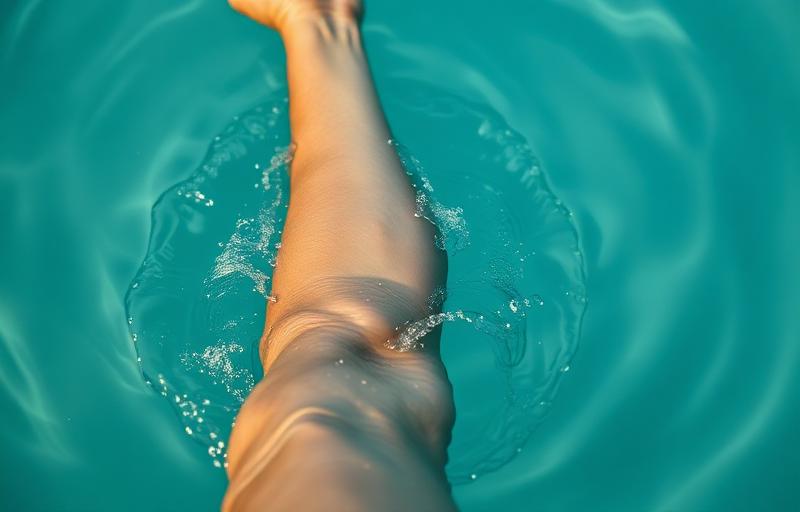
What you’ll learn
1. Freestyle as an Aerobic Longevity Foundation
Freestyle is the most energy-efficient stroke and forms the aerobic foundation for long-term swimmers.
- Freestyle Technique for Lifelong Swimming
2. Backstroke for Postural Health and Spinal Longevity
Backstroke encourages thoracic extension, shoulder mobility, and posterior-chain engagement.
- Spinal Health Through Backstroke
3. Breaststroke and Joint Load Considerations
Breaststroke uses symmetrical movements but may stress knees and hips if executed forcefully.
- Modified Breaststroke for Longevity
4. Stroke Selection for Shoulder Longevity
Different strokes distribute shoulder load differently for long-term joint health.
- Protecting Shoulders with Variety
5. Breathing Patterns and Nervous System Effects Across Strokes
Breathing demands vary by stroke and influence nervous system regulation.
- Respiratory Adaptability
6. Stroke Choice and Cardiovascular Load Management
Stroke selection affects heart rate and energy use for smart cardiovascular training.
- Smart Cardiovascular Training
7. Modifying Strokes for Aging Bodies
Adjust stroke mechanics to suit changes in flexibility, joint tolerance, and recovery capacity.
- Comfortable, Sustainable Technique
8. Integrating Multiple Strokes into a Longevity Swimming System
Combining strokes distributes load, supports balance, and maintains cardiovascular adaptability.
- Multi-Stroke Longevity System
Start this course free with your 7-day trial.
Start learningThis course is for educational purposes only and does not constitute medical advice. Please consult a qualified professional before beginning any new exercise program.