Pilates Foundations: History, Methods & Mind–Body Benefits
Pilates is a movement system grounded in anatomy, biomechanics, and neuroscience. This course explores its origins, principles, physical and mental benefits, and suitability for all populations.
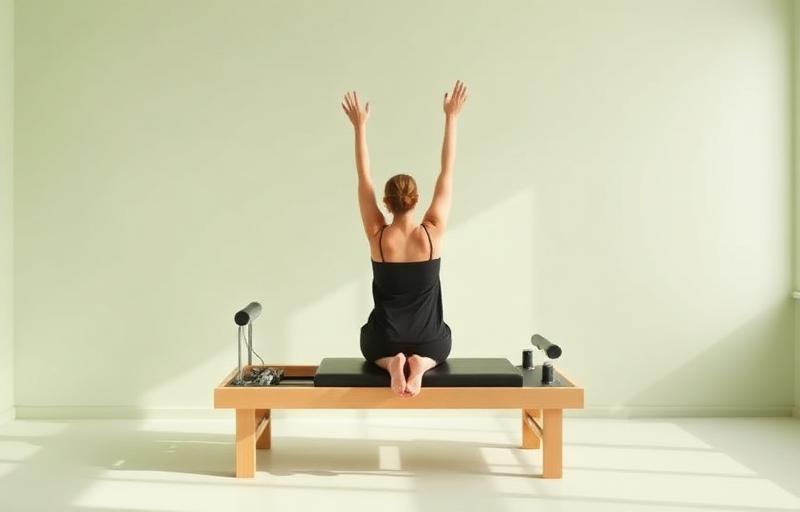
What you’ll learn
1. Pilates as a Movement System
Pilates functions as a movement system focusing on retraining fundamental movement patterns and neuromuscular efficiency.
- Understanding Integrated Movement
2. Historical Origins and Rehabilitation Roots
Pilates was originally designed to improve posture, breathing, and natural movement, with roots in rehabilitation.
- Pilates Through History
3. Principles of Pilates Through a Scientific Lens
Breath, concentration, centring, precision, and flow enhance the nervous system and movement efficiency.
- Functional Principles
4. Types of Pilates and Functional Applications
Mat and apparatus-based approaches offer different resistance and rehabilitation benefits.
- Mat and Apparatus Pilates
5. Physical Benefits of Pilates
Pilates strengthens deep postural muscles, promotes balanced strength, and supports joint health.
- Musculoskeletal Health
6. Mental and Neurological Benefits
Pilates enhances proprioception, stress regulation, and mind-body connection.
- Mind-Body Integration
7. Who Is Pilates Suitable For?
Pilates is adaptable for rehabilitation, athletic conditioning, aging, and general wellness.
- Suitable Populations
Start this course free with your 7-day trial.
Start learningThis course is for educational purposes only and does not constitute medical advice. Please consult a qualified professional before beginning any new exercise program.