The Plastic-Free Home: Transform Your Space, Your Health, and the Planet
A room-by-room guide to reducing plastic in your home — from kitchen and bathroom swaps to budgeting, disposal, and building lasting habits.
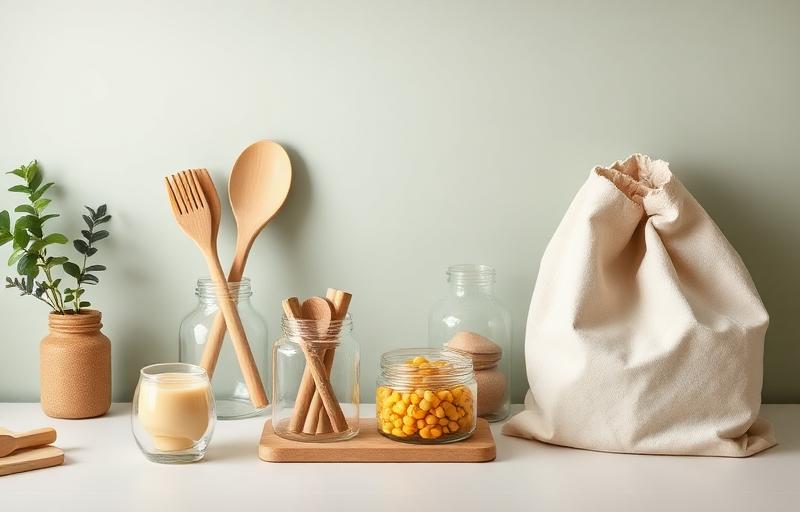
What you’ll learn
1. Understanding Plastic in the Home
Before you can make changes, you need to understand where plastic is hiding and how it affects your life.
- Where Plastic Hides
- Understanding Health Impacts
2. The Kitchen: Redesigning the Heart of Your Home
The kitchen is the most impactful place to start reducing plastic exposure.
- Safer Food Storage
- Cooking and Meal Prep
3. Bathroom & Personal Care: Detox Your Routine
Bathrooms are often the heaviest plastic zones in the home.
- Easy Bathroom Swaps
- Reducing Waste and Chemicals
4. Laundry & Cleaning: Hidden Polluters
Synthetic fabrics shed thousands of microfibers into water every wash.
- Laundry Swaps
- Plastic-Free Cleaning
5. Living Spaces: Breathing Fresh Air
Living areas often contain synthetic textiles and materials that release microplastics and VOCs.
- Natural Textiles & Furniture
- Air Quality & Indoor Environment
6. Kids, Babies & Pets: Protecting the Most Sensitive
Children and pets are more vulnerable to plastic exposure due to size and metabolism.
- Safe Materials for Kids & Babies
- Safe Materials for Pets
7. Budgeting & Your 12-Month Roadmap
Gradual swaps are more cost-effective than replacing everything at once.
- Creating a Swap Budget
- 12-Month Roadmap
8. Disposal, Recycling & Circular Living
Sustainable living includes responsible disposal, repair, and repurposing.
- Repair & Repurpose
- Recycling & Composting
9. Mindset, Community & Lasting Change
Plastic-free living is about mindset, not perfection.
- Progress over Perfection
- Community & Inspiration
Start this course free with your 7-day trial.
Start learningEducational only. Not medical advice.